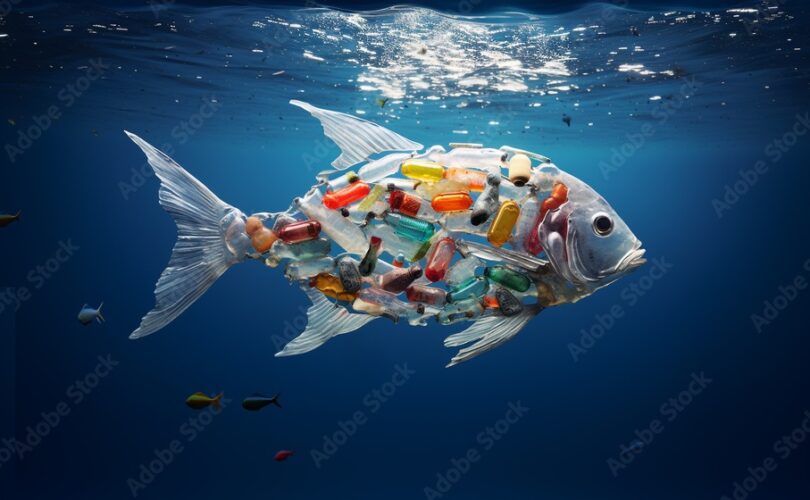
Welcome back, health enthusiasts! Today, let’s peel back the layers of a topic that often goes unnoticed in our quest for nutritious eating: food packaging. While we’re vigilant about the quality of the produce we buy, the environmental and health impacts of the packaging often escape our scrutiny. In this blog, we’ll unravel the connection between food packaging, food waste, and their implications on our well-being and the planet.
The Packaging Predicament:
Packaging serves as a crucial bridge between the farm and our tables, preserving freshness and preventing spoilage. However, the excessiveness and nature of packaging have taken a toll on the environment. The seemingly convenient plastic wraps and Styrofoam trays contribute significantly to pollution, taking hundreds of years to decompose.
The Environmental Toll:
- Plastic Predicament: Plastic packaging, in particular, poses a severe threat to our ecosystems. Microplastics from packaging materials leach into the soil and water, contaminating the very sources that sustain life.
- Landfills Overflowing: The ever-increasing demand for packaged goods has led to overflowing landfills, releasing harmful gases into the atmosphere. Decomposing organic matter within landfills generates methane, a potent greenhouse gas that contributes to climate change.
Food Waste Nexus:
Ironically, while packaging aims to preserve food, it often accelerates its demise. Excessive packaging can lead to increased food waste due to various reasons:
- Misleading Shelf Life: Extended shelf life claims on packaging can mislead consumers, prompting them to discard perfectly edible items prematurely.
- Bulk Packaging Dilemma: Buying in bulk might seem like a cost-effective solution, but if the quantity exceeds what a household can consume before expiration, it leads to unnecessary waste.
Health Implications:
The impact of food packaging on our health extends beyond the environment. Harmful chemicals from packaging materials can leach into our food, posing risks to our well-being:
- Endocrine Disruptors: Certain chemicals used in packaging, such as bisphenol A (BPA), have been linked to hormonal disruptions and adverse health effects.
- Microplastic Ingestion: As plastic breaks down, it can release microplastics into our food, and consuming these particles may have long-term health consequences that are still being studied.
Taking Action:
- Opt for Minimalist Packaging: Choose products with minimal and eco-friendly packaging. Support brands that are committed to reducing their environmental footprint.
- BYOB (Bring Your Own Bag): Embrace reusable bags and containers when shopping for groceries to cut down on single-use plastics.
- Stay Informed: Educate yourself about the materials used in food packaging and their potential health impacts. Being informed empowers you to make healthier and more sustainable choices.
Conclusion:
As health enthusiasts, it’s crucial to recognize the interconnectedness of our food choices with both our well-being and the environment. By making conscious decisions regarding the products we purchase and the packaging they come in, we can contribute to a healthier planet and, in turn, safeguard our own health. Let’s unwrap a brighter, greener future, one mindful choice at a time!