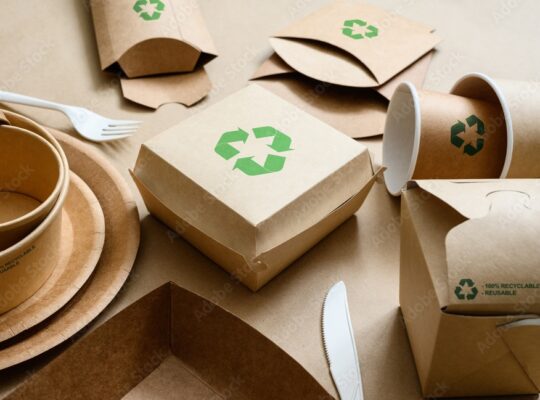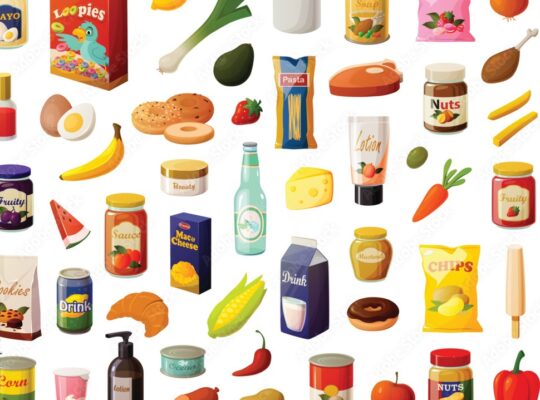

In the hustle and bustle of modern life, convenience often takes precedence over nutrition. Our diets have become saturated with processed foods, loaded with additives and preservatives. As a health enthusiast, I am deeply concerned about the deteriorating quality of the food we consume and its profound impact on our well-being and the environment. In this blog post, we will explore practical tips to reduce processed food intake, promoting a healthier lifestyle and a more sustainable planet.
Introduction:
Processed foods, often high in salt, sugar, and unhealthy fats, have become a staple in our diets. These dietary choices not only contribute to the rise in chronic health conditions but also have severe environmental implications. It’s time we take a closer look at what we eat and make informed decisions for the sake of our health and the planet.
Understanding the Impact:
Processed foods have been linked to various health issues, including obesity, heart disease, and diabetes. Moreover, the production and packaging of these foods contribute significantly to carbon emissions and environmental degradation. By reducing our reliance on processed foods, we can positively impact both personal health and the planet.
Tips for Reducing Processed Food Intake:
- Embrace Whole Foods: Focus on incorporating whole, unprocessed foods into your diet. Fresh fruits, vegetables, whole grains, and lean proteins should form the foundation of your meals. Not only are these foods rich in essential nutrients, but they also have a lower environmental footprint.
- Read Labels Mindfully: Take the time to read food labels carefully. Avoid products with a long list of unrecognizable ingredients, artificial additives, and excessive preservatives. Opt for items with minimal, natural ingredients for a healthier choice.
- Cook at Home: The best way to control the ingredients in your meals is by preparing them yourself. Cooking at home allows you to choose fresh, high-quality ingredients and experiment with diverse, nutritious recipes.
- Plan and Prepare: Planning your meals in advance can help you make healthier choices. Prepare snacks and meals ahead of time to avoid the temptation of reaching for convenient, but often unhealthy, processed options.
- Educate Yourself: Stay informed about the impact of processed foods on your health and the environment. Being aware of the consequences can motivate you to make better food choices and advocate for a more sustainable food system.
Quotes for Inspiration:
As renowned chef and food activist Jamie Oliver once said, “Real food doesn’t have ingredients, real food is ingredients.”
In the words of environmentalist and author Michael Pollan, “Don’t eat anything your great-grandmother wouldn’t recognize as food.”
Conclusion:
Reducing processed food intake is not just a personal choice; it is a step towards a healthier, more sustainable future. By adopting these practical tips and being mindful of our food choices, we can contribute to our well-being and the well-being of the planet. Let’s embark on this journey towards a healthier and more sustainable lifestyle, one meal at a time.