
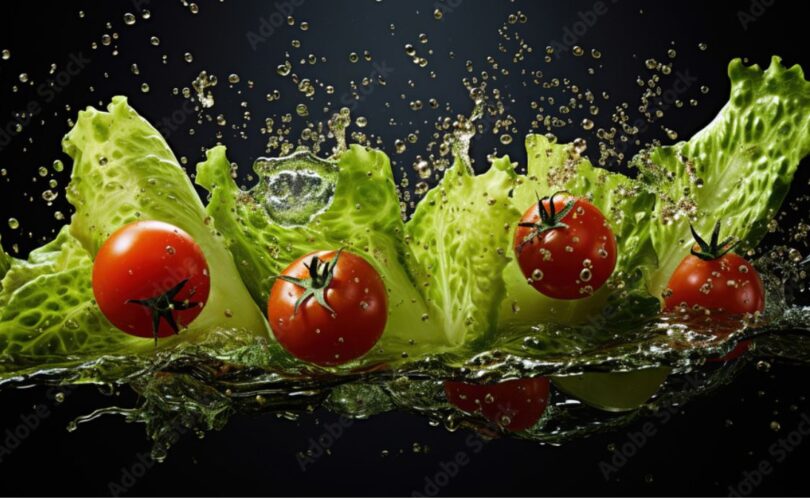
In today’s fast-paced world, where convenience often trumps conscientiousness, it’s easy to overlook the importance of mindful food preparation. However, the impact of our food choices extends far beyond our own health; it resonates with the health of our planet as well. One simple yet crucial aspect of food preparation that warrants attention is the practice of washing and peeling produce to reduce residue.
Why It Matters: Residues from pesticides, fertilizers, and other chemicals used in conventional farming can cling to the surface of fruits and vegetables. These residues not only compromise the nutritional value of our food but also pose health risks when ingested. Moreover, they contribute to environmental pollution and harm delicate ecosystems.
The Role of Washing and Peeling: Properly washing and peeling produce can significantly reduce the residue content, making our food safer to consume. While washing with water alone can remove surface dirt, peeling can further eliminate pesticide residues that may have penetrated the outer layers of the produce.
Best Practices:
- Use Cold Water: Washing produce under cold running water is one of the most effective ways to remove surface residues. The force of the water helps dislodge particles, while the cold temperature helps preserve the integrity of the produce.
- Scrub with a Brush: For produce with thick skins or irregular surfaces, such as potatoes or carrots, using a clean brush can aid in removing stubborn residues. Gently scrubbing under running water can enhance the cleaning process.
- Soak in Vinegar Solution: A vinegar solution can be used to soak produce, especially leafy greens, to help remove pesticide residues. Mix one part vinegar with three parts water and soak the produce for a few minutes before rinsing thoroughly.
- Peel when Possible: Peeling fruits and vegetables, particularly those with thin or edible skins like apples or cucumbers, can further reduce residue exposure. However, remember that some nutrients are concentrated in the skin, so it’s advisable to opt for organic produce or thoroughly wash non-organic ones before peeling.
The Environmental Angle: By adopting these simple yet effective practices, we not only safeguard our health but also contribute to a more sustainable food system. As renowned environmentalist Rachel Carson once said, “The more clearly we can focus our attention on the wonders and realities of the universe about us, the less taste we shall have for destruction.” Every conscious choice we make in the kitchen resonates with the larger ecosystem we are a part of.
In conclusion, the seemingly mundane task of washing and peeling produce holds immense significance for both personal well-being and environmental sustainability. By incorporating these practices into our daily routine, we take a proactive step towards a healthier future for ourselves and the planet. Let’s embrace the power of informed choices and nurture a symbiotic relationship with the food we consume and the world we inhabit.
Remember, every wash and every peel counts in our journey towards a healthier, greener tomorrow.