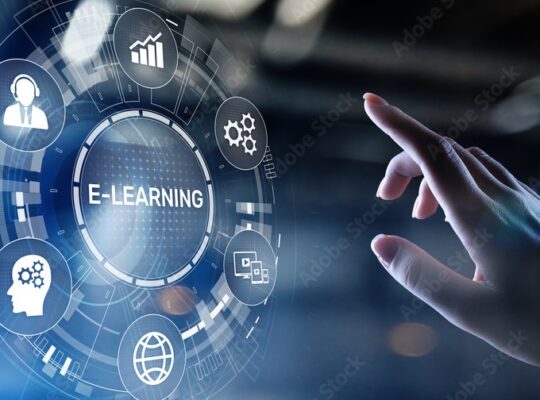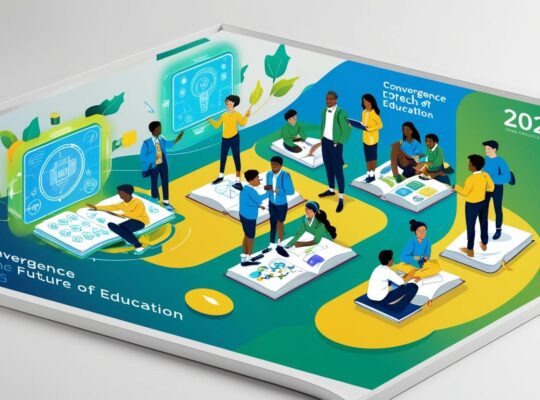
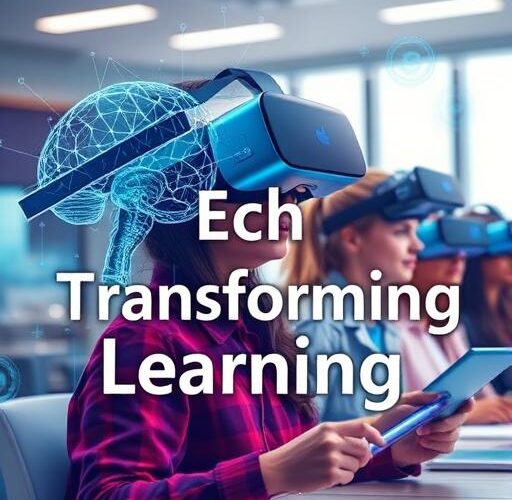
The demands of modern classrooms are rapidly outpacing traditional teaching methods. Today’s educators face the challenge of engaging digitally native learners who expect interactive, personalised, and meaningful experiences. Technology stands at the heart of this revolution, with artificial intelligence (AI), virtual reality (VR), and augmented reality (AR) emerging as powerful tools to transform learning. This blog explores how these technologies are reshaping education, what they mean for students and teachers, and how you can harness their potential for maximum impact.
The “What”: Defining AI, VR, and AR in Education
Artificial intelligence, virtual reality, and augmented reality represent a fundamental leap in educational technology. AI is software that processes data, detects patterns, and offers personalised feedback, adapting content to each learner’s progress. VR creates fully immersive, 360-degree simulated environments that allow students to interact with lessons as though they were physically present—exploring distant lands, historical events, or complex scientific concepts without leaving the classroom. AR overlays digital information onto real-world surroundings via smartphones, tablets, or AR glasses, enriching everyday settings with interactive diagrams, annotations, and virtual models. By merging these technologies, the traditional classroom expands beyond physical and geographical boundaries, offering tailored educational experiences and hands-on simulations. This convergence empowers students to learn by doing, not simply by memorising facts, while helping teachers identify individual needs and track progress in real time.
The “Why”: The Importance and Impact of Emerging Technologies
The urgency to transform education has never been greater. AI, VR, and AR address many persistent challenges: low engagement, gaps in understanding, and the struggle to personalise lessons for diverse abilities. These tools captivate learners, boost motivation, and unlock new pathways for exploration. For instance, a VR science lesson might allow students to manipulate molecules, watch chemical reactions unfold in three dimensions, and experiment safely with otherwise dangerous procedures. AR, on the other hand, can display a beating heart on a pupil’s desk or explain geometric shapes by layering interactive visuals over the real object. AI-powered platforms instantly adjust the difficulty, pacing, and resources for each student, ensuring nobody is left behind or bored. These innovations are already making measurable impacts: improved knowledge retention, higher exam scores, and enhanced collaboration. Crucially, they provide experiences that build empathy and cultural understanding—for example, simulating life in another country or experiencing history from a different perspective. As technology becomes more affordable and accessible, these benefits are spreading to schools worldwide, narrowing achievement gaps and reimagining what learning can be.
The “How”: Practical Steps for Integrating AI, VR, and AR
Ready to embrace the future? Here’s how educators and administrators can start leveraging these technologies effectively:
- Identify learning objectives: Determine which subjects or topics could benefit most from immersive technology and outline clear goals for its use.
- Pilot small-scale projects: Begin with limited deployments in select classes, such as a VR field trip or an AI adaptive quiz, to gauge student response and gather feedback.
- Choose suitable platforms: Research available AI, VR, and AR solutions. Look for curriculum-aligned content, ease of use, and compatibility with your school’s devices.
- Train staff and students: Provide tutorials and hands-on demonstrations to ensure everyone is comfortable and confident in using new technology.
- Foster collaboration: Use VR and AR to create group activities that encourage teamwork and discussion, bridging social skills and subject mastery.
- Monitor and evaluate: Use built-in analytics from AI platforms and feedback tools within VR/AR environments to assess progress, adjust implementation strategies, and showcase successes to stakeholders.
- Scale thoughtfully: As you see positive outcomes, expand access and integrate technology into more lessons and subjects, ensuring continued professional development and tech support.
- Prioritise inclusion: Use immersive tools to support learners with special educational needs, offering personalised simulations or sensory environments that help bridge learning gaps.
Conclusion
The integration of AI, VR, and AR marks a pivotal moment in educational evolution. These technologies offer exciting routes to personalised, experiential learning and address many longstanding challenges in traditional instruction. By prioritising engagement, adaptability, and inclusion, educators transform their classrooms into vibrant places of discovery and growth. Investing in technology today means preparing students for the demands of tomorrow.
Key Takeaways
- AI, VR, and AR fundamentally change how students engage with knowledge and experience learning.
- These technologies provide hands-on, personalised, and collaborative learning environments.
- Implementing immersive technology can improve retention, scores, and emotional intelligence.
- Careful planning and training are essential for successful integration and scaling.
- Adopting modern educational tools prepares students for a fast-changing, digital world.