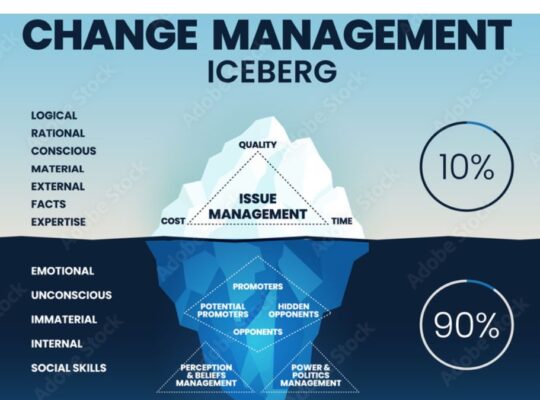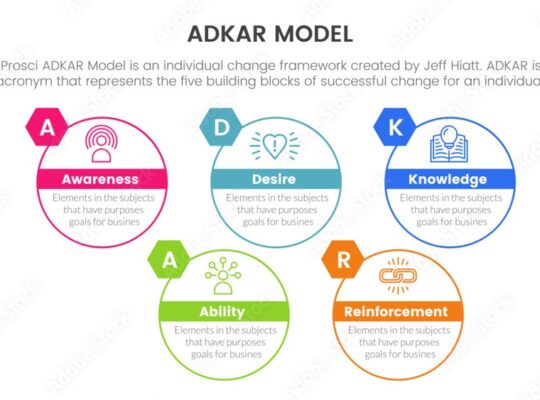

The reality today? Change isn’t optional—it’s the competitive currency. Organizations must adapt faster than ever to survive and thrive. Yet, many leaders still struggle to navigate these transitions effectively, turning potential growth into crippling resistance.
This isn’t just about survival; it’s about strategic growth. We need a framework.
What is Strategic Change Management?
Forget the buzzwords. Change Management is a systematic, deliberate approach to transforming your organization’s processes, systems, and structures. It’s about more than just announcing a change; it’s about:
-
Alignment: Ensuring every transition directly supports long-term strategic goals.
-
Continuity: Making the shift smooth enough that stakeholders maintain confidence and productivity.
-
Vision: Defining a future state that is clear, compelling, and actionable, serving as the unifying roadmap for your entire team.
Why Structure Matters Now
In a landscape defined by rapid technological advancement and market volatility, agility is paramount. A structured approach isn’t a formality—it’s a shield against chaos.
-
Example: A manufacturer facing recession pressures didn’t just cut costs; they implemented a systematic change management framework aligned with their core disciplined culture. The result was successful adaptation and sustained competitiveness.
The ROI of effective change management includes:
-
Enhanced Operational Efficiency: Faster adoption and less downtime.
-
Improved Stakeholder Trust: Transparency breeds confidence.
-
Reduced Resistance: Engaged employees are advocates, not roadblocks.
The 5-Step Playbook for Leading Transformational Change
To drive successful initiatives, leaders must stop managing change and start leading it. Here are five non-negotiable strategies:
1. Develop a Clear, Aspirational Vision
Articulate the “Why” and the “What” of the future state. This vision must be communicated consistently and should be both aspirational and achievable, setting a clear destination for all efforts.
2. Build Visible, Adaptable Sponsorship
Active leadership sponsorship is non-negotiable. Leaders must be visible champions, modeling the new behaviors, addressing concerns openly, and maintaining a focus on the big picture to foster trust and inclusivity.
3. Deeply Engage Employees
Involve your teams in the process, not just the outcome. Involving employees in decision-making and equipping them with targeted training programs doesn’t just reduce anxiety—it builds ownership and transforms resistance into commitment.
4. Champion Open Communication & Feedback
Establish two-way communication channels. Encourage regular feedback and dialogue to proactively address concerns. This commitment to transparency and listening is the foundation of trust during any difficult transition.
5. Track Progress and Define Success Metrics
What gets measured gets done. Implement a systematic approach (e.g., adoption rates, proficiency levels, ROI metrics) to monitor progress and evaluate the success of the change. Keep the process transparent and manageable.
The Bottom Line
Mastering change is no longer a soft skill—it’s a core competency for modern leadership. By implementing this structured playbook, you move beyond mere change survival into strategic change mastery. Embrace change as an opportunity for organizational growth to position your business for future success.
Key Takeaways:
-
✅ Clarity First: A clear vision is the engine for aligning efforts and motivating teams.
-
🤝 Sponsorship is Action: Strong leaders must actively guide and model the new way forward.
-
💡 Inclusion = Commitment: Engaging employees turns passive acceptance into active support.
-
🗣️ Trust Through Talk: Open communication is the single biggest factor in reducing resistance.
-
📈 Measure to Sustain: Track progress rigorously to ensure the change sticks long-term.