


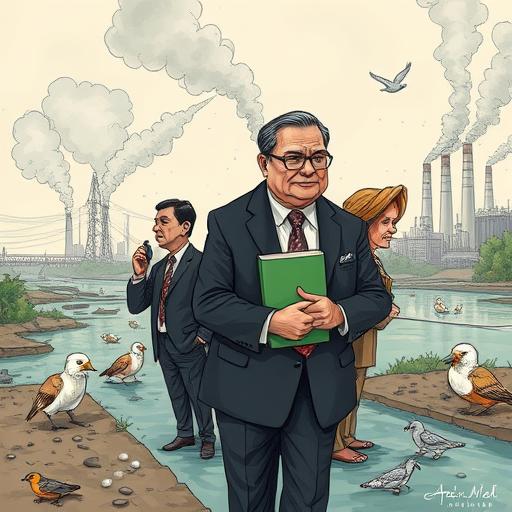
Pollution in India today stands as a formidable threat not only to the country’s environmental heritage but also to its economic competitiveness and social well-being. Across urban centres and rural heartlands alike, worsening air quality, mismanaged waste, and shrinking natural habitats have become defining features of India’s environmental landscape. Business leaders intent on driving socially responsible growth must confront this crisis head-on. This deep dive reveals the true scale of the challenge and lays out clear, actionable pathways for turning urgency into systemic change, with a focus on leveraging business influence for a safer, more sustainable India.
India’s Pollution Crisis
At its core, pollution in India encompasses widespread degradation of air, water, and soil—each with distinct causes but intertwined consequences. Air pollution remains the most visible symbol of environmental decline, fuelled by vehicle emissions, industrial output, crop burning, and construction dust. Cities such as Delhi and Byrnihat frequently record particulate matter (PM2.5) concentrations that far exceed global standards, affecting millions daily. Water pollution—largely driven by untreated sewage, industrial effluents, and agricultural runoff—threatens not only aquatic ecosystems but also public health, with rivers and lakes losing their capacity to replenish and filter toxins naturally. Solid waste mismanagement, meanwhile, manifests in overflowing landfills and frequent toxic fires, especially in giant urban dumps. The compounding effect of these crises erodes biodiversity, contributes to climate volatility, and undermines the very foundations of India’s economic progress.
Urgent Significance for Business and Society
Pollution’s impacts extend well beyond environmental harm—they are increasingly economic and social imperatives. India’s ecological crisis diminishes public health, curbing life expectancy and straining already overburdened healthcare systems. Residents in major cities lose years from their lives due to persistent exposure to hazardous air, while the ageing workforce faces amplified risk for chronic illness, productivity loss, and premature retirement. The informal nature of much of India’s labour market leaves workers especially vulnerable, with limited access to benefits or respiratory care. For business leaders, these trends pose strategic risks: reputational damage, rising employee absenteeism, disruption of supply chains, and compliance costs tied to new regulations. Notably, no Indian state attains excellence across core sustainability metrics—revealing persistently low standards in sewage treatment, waste processing, and pollution control, even where progress is made in other areas. The scale of the challenge presents a clarion call for urgent, cross-sectoral action, with business having both responsibility and opportunity to lead.
Actionable Strategies for Socially Conscious Businesses
- Integrate rigorous pollution audits into all operations. Map out major pollution sources—in the supply chain, facilities, and logistics—and set measurable reduction targets for emissions, waste, and water use.
- Invest in clean technologies. Transition to renewable energy, deploy waste-to-energy solutions, and support pilot projects showcasing scalable green business models—especially those capable of working in India’s informal sectors.
- Collaborate with local governments, NGOs, and community groups to bolster waste management infrastructure and promote environmental stewardship. Joint ventures can address gaps in municipal capacity and amplify reach.
- Support data transparency and public engagement. Sponsor independent environmental monitoring, share emissions data, and ensure reporting follows international standards, helping to build trust and accountability.
- Transform corporate culture to value environmental literacy and advocacy. Assign sustainability champions, offer staff training, and reward innovation in pollution reduction initiatives.
- Champion employee wellness, particularly for older workers and those exposed to higher risks, through health screenings, air filtration upgrades in offices/plants, and benefits packages tailored to pollution-linked health challenges.
- Encourage policy reform by joining business networks that advocate for stringent environmental regulations, incentives for sustainable innovation, and robust enforcement.
Conclusion
India’s pollution challenge is immediate, sweeping, and demands both moral and strategic leadership from the country’s business elite. The dangers are systemic, touching every citizen and every facet of the economy. Yet, the solutions are within reach—requiring bold investments, collaborative infrastructure, and a cultural shift towards sustainability. Socially conscious leaders must seize this moment to redefine success not just in financial terms, but in their stewardship of the nation’s air, water, and soil. Every decisive step taken today shapes the legacy of tomorrow’s India.
Key Takeaways
- India faces an interconnected crisis of air, water, and waste pollution impacting health, productivity, and growth.
- No Indian state scores high on every environmental metric, underscoring systemic gaps even amid progress.
- Business leaders hold critical leverage to drive change through audits, technology upgrades, and policy advocacy.
- Workforce health and economic resilience increasingly hinge on addressing pollution’s long-term impacts.
- Action must be immediate, measured, and collaborative, leveraging data transparency and stakeholder partnership.