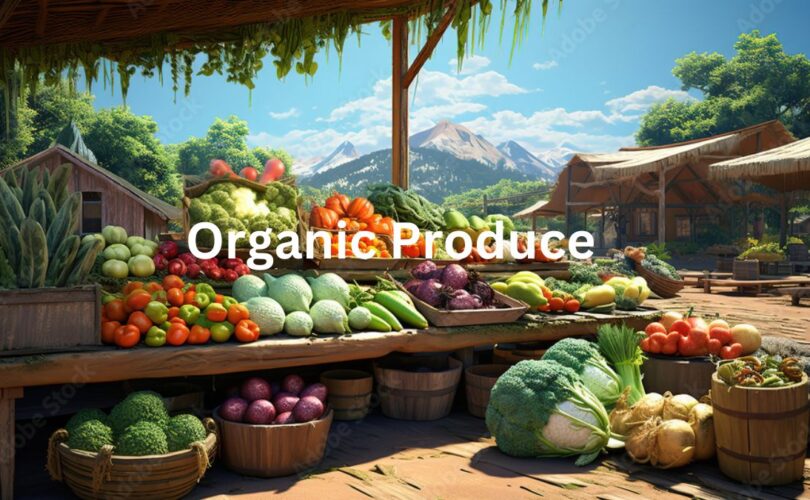
In today’s fast-paced world, where convenience often trumps conscientiousness, our food choices play a crucial role in shaping not only our health but also the health of our planet. The rise of organic produce presents a compelling solution to the growing concerns surrounding food quality and environmental sustainability. In this article, we delve into the significance of buying organic produce whenever feasible, exploring its manifold benefits for both personal well-being and the broader ecosystem.
Why Organic? Organic produce is cultivated without the use of synthetic pesticides, fertilisers, or genetically modified organisms (GMOs), making it a natural choice for health-conscious individuals. By steering clear of harmful chemicals, organic farming practices safeguard not only the nutritional integrity of the food but also the health of consumers. As renowned chef and advocate for sustainable food systems, Alice Waters, aptly puts it, “Let things taste of what they are.” Organic produce allows the true essence of fruits and vegetables to shine through, untainted by artificial additives or pesticides.
Health Benefits: Consuming organic produce has been linked to a myriad of health benefits. Studies have shown that organic fruits and vegetables are richer in essential nutrients such as vitamins, minerals, and antioxidants compared to their conventionally grown counterparts. Furthermore, organic farming practices promote soil health, leading to increased nutrient content in the produce. By opting for organic, we not only nourish our bodies with wholesome goodness but also reduce our exposure to harmful chemicals, thereby lowering the risk of chronic diseases and promoting overall well-being.
Environmental Impact: The environmental ramifications of conventional agriculture are staggering. From soil degradation to water pollution, intensive farming practices take a heavy toll on the planet’s ecosystems. In contrast, organic farming adopts a holistic approach that prioritises soil health, biodiversity, and sustainable land management. By eschewing synthetic inputs and embracing natural methods, organic farmers work in harmony with nature, mitigating the adverse effects of agriculture on the environment. As environmental activist Vandana Shiva eloquently asserts, “The earth does not belong to us; we belong to the earth.” Choosing organic produce is an act of reverence for the earth and a commitment to preserving its precious resources for future generations.
Making the Switch: Transitioning to an organic diet may seem daunting at first, given its perceived higher cost. However, when weighed against the long-term benefits for both personal health and environmental sustainability, the investment proves worthwhile. Start by prioritising organic versions of the “Dirty Dozen” – fruits and vegetables with the highest pesticide residues – and gradually incorporate more organic options into your diet. Additionally, consider supporting local farmers’ markets and community-supported agriculture (CSA) initiatives, where organic produce is often more accessible and affordable.
In a world where the quality of our food is increasingly compromised by industrialised farming practices, choosing organic produce emerges as a beacon of hope for a healthier, more sustainable future. By voting with our forks and opting for organic whenever possible, we not only nourish our bodies with wholesome goodness but also nurture the planet that sustains us. As we embark on this journey towards a greener plate, let us heed the words of environmentalist Rachel Carson: “The more clearly we can focus our attention on the wonders and realities of the universe about us, the less taste we shall have for destruction.“
Let’s make every bite count – for our health, for the environment, and for generations to come.