The Future of the Film Industry: Streaming vs. Traditional Cinema
The way we watch films is changing at an unprecedented pace, driven by technological innovations and rapidly shifting audience preferences. As streaming platforms become ever more popular, traditional cinemas face the challenge of remaining relevant in a landscape where convenience, accessibility, and instant gratification often trump the magical experience of the big screen. This blog will unravel the core differences between streaming and cinema, explore why this debate matters now more than ever, and offer practical advice for navigating the evolving film industry.
Streaming vs. Cinema: Understanding the Landscape
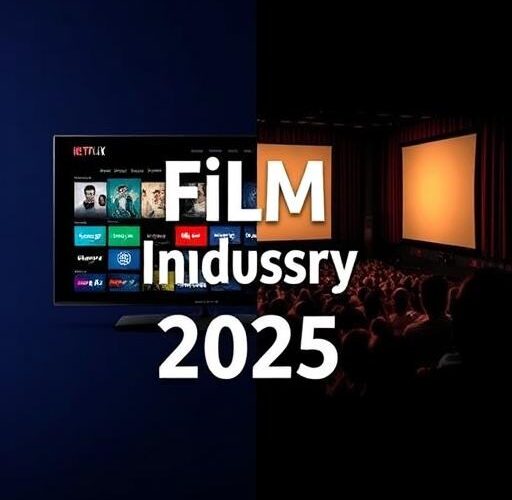
At its core, the debate is about two contrasting ways of experiencing film. Streaming services allow viewers to watch films on demand, at home or on the go, offering a library of titles just a click away. Accessibility and speed define this approach; content can be paused, rewound, or revisited anytime, and there’s no need to leave the comfort of your sofa.
By contrast, traditional cinema is anchored to the ritual of going out, sharing space with an audience, and marvelling at films on towering screens with immersive sound. Cinemas deliver a communal atmosphere where laughter, shock, and emotion become shared, heightening the film’s impact.
Both models offer distinct experiences and revenue structures. Streaming relies on subscription fees or advertising, often bypassing the box office completely. Cinemas depend on ticket sales to build anticipation and maximise spectacle.
The central question is not which will win, but how both might co-exist, with each catering to different moods, genres, and communities.
Why Streaming vs. Cinema Matters Now
This debate is significant because it touches every corner of the entertainment sector and influences how stories are told—and even which stories reach an audience. The surge in streaming popularity, accelerated by global events and technological progress, has forced studios to rethink everything from release strategies to production budgets.
The challenges are manifold. While streaming services can reach millions overnight and offer unparalleled convenience, they often face criticisms of diluting the unique, shared experience of cinema and sometimes prioritise quantity over quality. Cinemas, meanwhile, struggle to draw audiences out of their homes, needing to justify the cost and effort required for a big night out.
One recent trend highlights this shifting dynamic: blockbuster films that once guaranteed packed theatres may now be released directly to streaming platforms. Yet, when major releases do hit cinemas—like superhero films or animated adventure epics—they can still ignite excitement, generate social buzz, and offer an experience streaming struggles to match. The rise of hybrid releases, where films appear in both theatres and online, further blurs the boundaries and opens opportunities for filmmakers to reach wider audiences without undermining either model.
How to Navigate the Future: Strategies for Filmmakers, Audiences, and Industry Professionals
- Embrace Hybrid Release Strategies. Filmmakers and distributors should consider simultaneous or staggered releases on multiple platforms, leveraging the reach of streaming while capitalising on the event atmosphere of cinemas.
- Tailor Content to Experience. Not every film suits every platform. Big-budget visual spectacles benefit from the cinematic experience, while intimate dramas or documentaries may do better on streaming, where viewers appreciate quiet reflection.
- Focus on Audience Engagement. Studios should invest in creative marketing that builds anticipation for both streaming and cinematic releases, using social media, influencer collaborations, and targeted campaigns to spark conversation and draw crowds.
- Prioritise Quality and Storytelling. With pressure to produce ever more content, the risk is offering quantity over quality. Audiences respond best to compelling stories and original voices, regardless of how those stories are delivered.
- Support Local and Independent Cinemas. Audiences can help maintain the vibrancy of traditional cinema by seeking out smaller venues and attending special screenings, ensuring a diversity of experiences continues to flourish in an era dominated by global streaming giants.
Conclusion
The future of the film industry lies somewhere between seamless convenience and cinematic spectacle. Streaming platforms and traditional theatres each carve out a vital space in the storytelling ecosystem, and their coexistence promises audiences greater choice than ever before. Whether at home or in a theatre, what truly matters is the power of film to bring us together, spark imagination, and shape the world’s culture for generations to come.
Key Takeaways
- Streaming offers unparalleled convenience but lacks the communal atmosphere of cinemas.
- Cinemas provide a unique, immersive experience that digital platforms struggle to replicate.
- Hybrid release strategies are emerging as a way for studios to maximise reach and revenue.
- Audience preferences are shifting, but both streaming and cinema have a place in the future.
- Supporting independent cinemas and valuing quality storytelling remains essential as the industry evolves.