In today’s ultra-competitive marketplace, simply solving problems is the baseline—not the strategy. We need to move beyond reactive customer service and embrace the power of a truly holistic Customer Experience (CX). For business leaders and consulting professionals, this shift isn’t just a trend; it’s the single most significant driver of sustainable growth and competitive advantage.
The Critical Distinction: Service vs. Experience
Traditional Customer Service is a transactional, often reactive function: fixing a bug, answering a query, or processing a return.
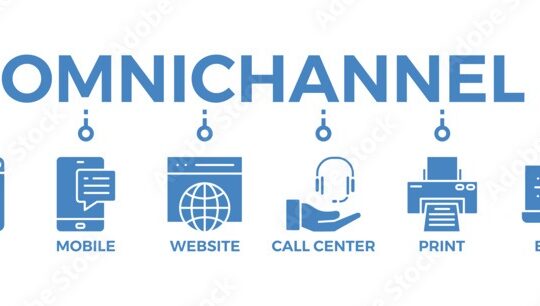
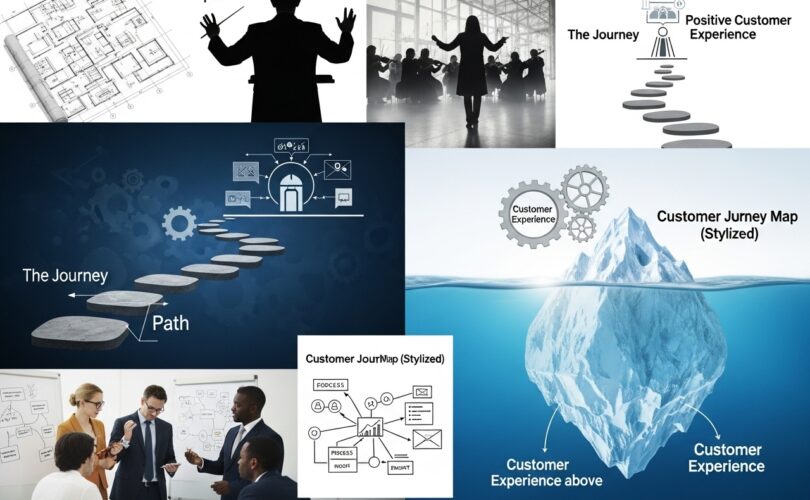
Customer Experience (CX), however, is the entire, cumulative journey a customer has with your brand. It spans every single touchpoint—from their first exposure via marketing, engagement with your digital platforms, the purchase flow, product usage, and post-sale support.
It’s the sum total of their feelings, perceptions, and emotional responses. Is your website clunky? Is your delivery fast? Is the support staff empathetic? CX is the answer to all of it. It’s proactive, meticulously designed, and aimed at building a deep, lasting relationship, not just closing a single ticket.
Why CX is Your #1 Competitive Advantage
Product differentiation is fleeting. What isn’t? The quality of the interaction.
Modern consumers, trained by the frictionless experiences of tech giants, bring elevated expectations everywhere. They are demanding:
-
Premium Willingness: Customers are increasingly willing to pay a premium for a better overall experience.
-
Zero Tolerance: They will readily switch after just one or two negative encounters and amplify their frustration across social media.
The math is simple: Superior CX directly translates to higher Customer Lifetime Value (CLV), greater customer retention, and powerful brand advocacy (the best marketing is word-of-mouth). Neglecting it leads to rapid churn and an expensive erosion of market share. This is a profit and loss issue, not a soft skill.
🛠️ The CX Playbook: 5 Actionable Steps for Business Leaders
Cultivating a superior CX requires enterprise-wide commitment. Here are the strategic pillars to implement now:
1. Deeply Map the Customer Journey (Beyond Demographics)
Move past simple buyer personas. Map the emotional journey. Identify every touchpoint, understand the customer’s motivations (what they are trying to achieve) and their pain points (where they get stuck or frustrated). This insight is your design brief for improvement.
2. Empower Your Frontline & Foster Empathy
CX is delivered by people. Every employee is a CX agent. Provide robust training, but more importantly, give your teams the autonomy and tools to resolve issues effectively and immediately. Cultivate an internal culture where empathy isn’t just a buzzword, but a measurable metric.
3. Personalise at Scale (Data is Your Friend)
Generic interactions breed indifference. Use your data (CRM, behavioral analytics) to tailor communications, offers, and recommendations. Personalisation demonstrates that you understand and value the individual, transforming transactions into a valued relationship.
4. Systematically Close the Feedback Loop
Collecting feedback (surveys, social listening) is table stakes. The difference-maker is the Actionable Insights Process. Establish governance to analyze feedback, implement tangible system or process improvements, and crucially, close the loop by informing the customer how their input led to a change.
5. Make it a Company DNA (Culture, Not a Department)
Customer-centricity must be championed by the C-suite and permeate every function. Your finance, logistics, and product teams contribute to CX just as much as your support team. Ensure CX philosophy is a core part of all strategies, processes, and KPIs across the entire organization.
The CX Future: A Call to Leadership
Moving from “good service” to “exceptional experience” is non-negotiable for sustained success. It demands a holistic perspective, strategic investment, and consistent execution.
Organizations that embrace this ethos—viewing every interaction as an opportunity to build trust, foster loyalty, and create lasting value—will not just survive the current market dynamics; they will dominate them.
What is the single most important change your organization needs to make right now to shift from reactive Customer Service to proactive Customer Experience? Share your thoughts in the comments.