Many organisations find themselves grappling with strategies that, despite meticulous initial planning, quickly become obsolete or fail to gain momentum. This often stems from viewing strategic planning as a discrete, annual exercise rather than an ongoing, adaptive journey. In a business landscape defined by constant flux, a static strategy is a significant liability. This post delves into the essential components of a robust strategic planning cycle, illustrating how a continuous approach can cultivate enduring organisational resilience and drive sustained growth. You will gain practical insights into maintaining strategic alignment and agility throughout the year.
Understanding the Strategic Planning Cycle
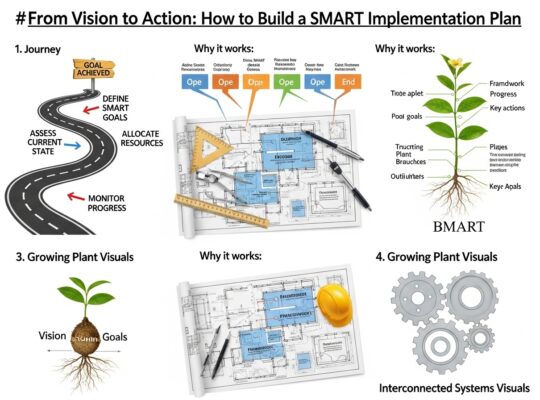
The strategic planning cycle transcends the traditional notion of a one-time project; it is an iterative and continuous process. This cycle encompasses the systematic envisioning, meticulous planning, diligent execution, proactive monitoring, and necessary adaptation of an organisation’s long-term direction. Rather than a linear checklist, it functions as a living framework, perpetually evolving to meet internal and external demands.
Typically, this cycle involves several key phases that recur throughout the year. It begins with annual goal setting, establishing overarching objectives and key results. These are then regularly reviewed through quarterly checkpoints, allowing for performance assessment against targets and the identification of emerging issues. Continuous performance monitoring, often on a monthly or even weekly basis, provides real-time data for informed decision-making. Mid-year adjustments ensure that the strategy remains relevant and responsive to market shifts, culminating in a refreshed strategic outlook that seamlessly transitions into the next cycle. This continuous engagement is paramount, transforming strategy from a static document into a dynamic, organisational compass.
The Imperative of Continuous Strategic Oversight
In today’s hyper-competitive and rapidly evolving business environment, the significance of a continuous strategic planning cycle cannot be overstated. Organisational agility and responsiveness are no longer mere advantages but fundamental prerequisites for survival and growth. A strategy that remains unchanged for twelve months in the face of swift technological advancements or geopolitical shifts is inherently vulnerable and risks rendering an organisation irrelevant.
Embracing a cyclical approach offers a multitude of benefits. It significantly enhances decision-making by ensuring that daily operations are consistently aligned with long-term objectives, reducing wasted effort and misdirected resources. Improved resource allocation becomes a natural outcome, as investments are precisely directed towards initiatives that demonstrably support strategic priorities. Furthermore, it builds crucial organisational resilience, enabling a faster and more effective response to market disruptions, emerging competitive threats, or unexpected global events. Organisations that neglect this iterative process often find themselves reacting to changes rather than proactively shaping their future, potentially leading to missed opportunities and declining market share. A prime example is the rapid adoption of artificial intelligence across industries; companies with agile strategic cycles are better positioned to integrate new technologies, pivot business models, and capitalise on innovation, thereby maintaining their competitive edge and fostering a shared understanding of direction and purpose among all employees.
Practical Steps for Sustained Strategic Momentum
Implementing an effective strategic planning cycle requires a deliberate shift from static planning to dynamic engagement. Here are actionable steps to embed this continuous process within your organisation:
- Establish a Rhythmic Review Cadence: Move beyond annual reviews. Implement quarterly strategic checkpoints and monthly performance discussions to ensure ongoing alignment and course correction. This allows for timely identification of deviations from the planned trajectory and the swift recognition of new opportunities, keeping your strategy vibrant and responsive.
- Integrate Data-Driven Insights: Base all strategic decisions and adjustments on robust data analysis, not intuition alone. Utilise market trends, customer feedback, operational metrics, and competitive intelligence to inform your path forward. This evidence-based approach enhances the credibility and effectiveness of your strategic choices.
- Foster Cross-Functional Collaboration: Strategic planning should not be a siloed activity. Involve leaders and key stakeholders from various departments to ensure diverse perspectives are considered, enhance organisational buy-in, and facilitate seamless execution across the entire enterprise. This collective ownership strengthens the strategy’s foundation.
- Cultivate a Culture of Agility: Encourage experimentation, facilitate learning from both successes and failures, and instil a willingness to pivot when market conditions or internal capabilities dictate. Embed flexibility into your strategic framework, promoting adaptability rather than rigid adherence to initial plans, which is crucial in uncertain environments.
- Communicate Consistently and Transparently: Ensure the strategic direction, progress against objectives, and any necessary adjustments are clearly and consistently communicated throughout the organisation. This maintains high levels of engagement, helps every employee understand their vital role in achieving overarching goals, and fosters a sense of shared purpose.
Embracing the Continuous Journey
Transforming strategic planning into a dynamic, cyclical process elevates it from a mere corporate exercise to a living, breathing framework that underpins every aspect of your organisation. It moves beyond the confines of a dusty document, becoming an active catalyst for sustained growth and innovation. By embedding continuous engagement, leveraging data-driven adaptation, and fostering a culture of organisational agility, you empower your team to navigate complexity with confidence.
This cyclical approach ensures your organisation remains not only resilient but also purposeful, perpetually poised for sustained success and relevance in an ever-evolving global landscape. It is an investment in your future, securing your capacity to anticipate, adapt, and thrive.
Key Takeaways:
- Strategic planning is a continuous, iterative cycle, not a one-off event.
- Regular reviews and data-driven adjustments are crucial for maintaining organisational agility.
- Cross-functional collaboration enhances the depth and execution of strategic initiatives.
- A culture of adaptability is vital for navigating complex market changes effectively.
- Consistent and transparent communication ensures organisational alignment and employee engagement.