Introduction
The Indian education system has long been a subject of scrutiny and debate. While it boasts a rich history of producing exceptional individuals, its fallacies have often overshadowed its successes. To improve India’s contribution on the global stage, it is imperative to address these fallacies and implement significant reforms. This article explores some of the most glaring shortcomings of the Indian education system and offers a perspective on what needs to be done to enhance its effectiveness.
- Rote Learning
One of the most prominent fallacies of the Indian education system is its overreliance on rote learning. Students are often encouraged to memorize vast amounts of information without truly understanding the concepts. This approach stifles critical thinking, creativity, and problem-solving skills. To address this, the system must shift towards a more holistic and student-centered education, emphasizing understanding, application, and practical skills over memorization.
- Lack of Practical Skills
The Indian education system is often criticized for failing to equip students with practical life skills. A heavy emphasis on theoretical knowledge and examinations often leaves students ill-prepared for the real world. To improve India’s global standing, the curriculum should incorporate subjects that teach financial literacy, communication skills, entrepreneurship, and digital literacy. Practical, hands-on experience should be a fundamental part of the learning process.
- Standardized Testing
Excessive reliance on standardized testing, such as the board exams, puts tremendous pressure on students. It promotes a one-size-fits-all approach that fails to account for individual differences in learning styles and interests. To enhance India’s global competitiveness, the education system should emphasize a more holistic assessment, including project-based evaluations and continuous assessment methods, which allow students to showcase their diverse skills and talents.
- Lack of Focus on Research and Innovation
India’s contribution to the global stage in terms of research and innovation remains below its potential. The education system must encourage students to think critically, ask questions, and pursue research and innovation. This can be achieved by allocating more resources to research and development, fostering a culture of curiosity, and promoting collaboration between educational institutions and industries.
- Socioeconomic Disparities
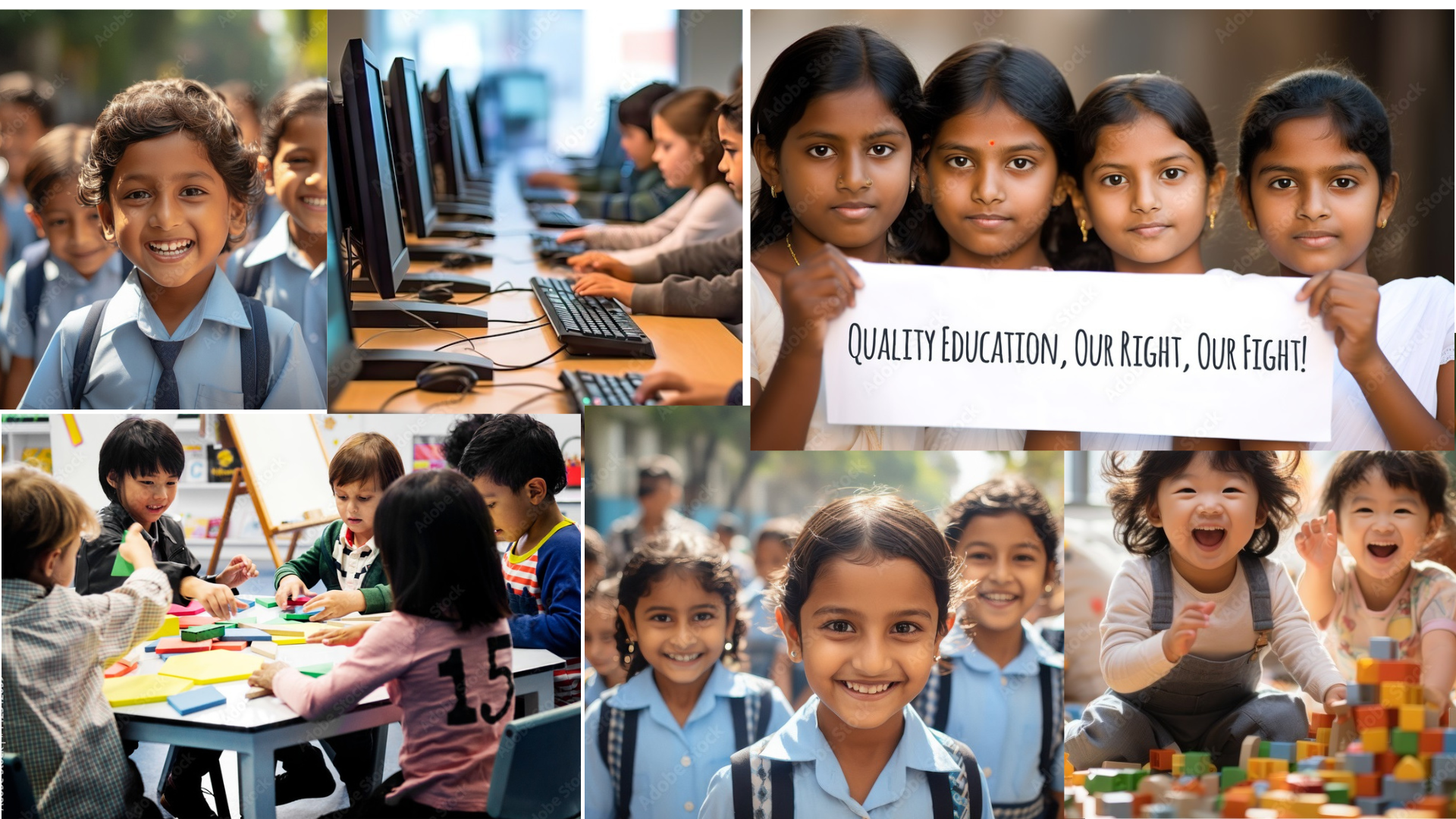
The Indian education system often perpetuates socioeconomic disparities. Quality education is inaccessible to many due to the lack of affordable, quality educational institutions. To address this, the government along with private institutions should invest in public education, promote scholarships and financial aid programs, and encourage private institutions to offer affordable education. Bridging this gap will ensure that every Indian, regardless of their background, has the opportunity to excel on the global stage.
- Outdated Curriculum
The curriculum in many Indian schools is often outdated and disconnected from the rapidly changing global landscape. To foster global competitiveness, it is essential to introduce subjects that reflect the current trends and demands of the job market. Regularly updating the curriculum to include emerging fields like artificial intelligence, data science, and sustainable technologies is crucial.
- Overemphasis on Degrees
Indian society places a strong emphasis on academic degrees, often ignoring the potential of vocational training and skill-based education. It is essential to acknowledge and promote non-traditional paths to success, such as vocational training, apprenticeships, and entrepreneurship. Encouraging a broader range of career options can better prepare individuals for the global stage.
Conclusion
The fallacies of the Indian education system are no secret, but they are challenges that can be overcome with thoughtful reforms. To enhance India’s contribution on the global stage, the education system must shift its focus from rote learning to holistic learning, emphasize practical skills, embrace varied assessment methods, promote research and innovation, address socioeconomic disparities, update the curriculum, and recognize the value of non-academic paths to success.
By doing so, India can not only produce a workforce better prepared for the global economy but also foster a society that values creativity, critical thinking, and lifelong learning. The future of India’s global contribution lies in the hands of its education system, and it is high time to take bold steps towards a brighter and more competitive future.