
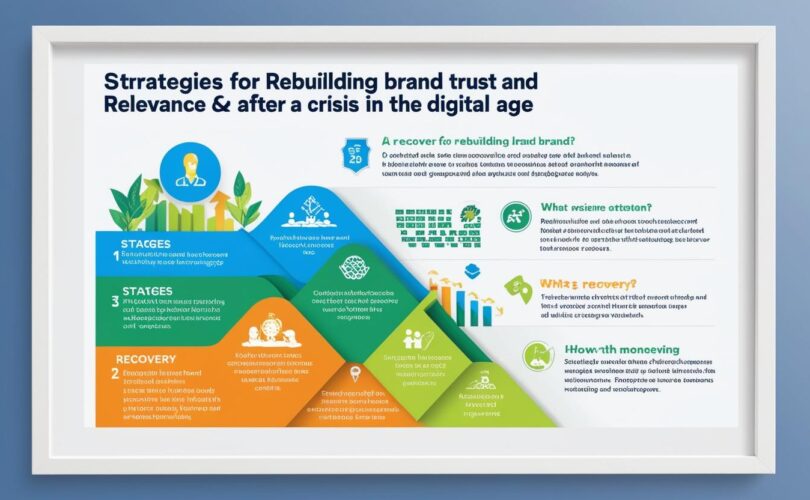
In the aftermath of a crisis, whether it be economic, environmental, or reputational, the task of rebuilding and rebranding can be daunting. However, with a structured approach and the right strategies, businesses can not only recover but also emerge stronger and more resilient.
Understanding the Crisis
Before embarking on the journey of rebuilding and rebranding, it is crucial to understand the nature and impact of the crisis. This involves conducting a thorough feasibility study to assess the current state of the business, including its financial health, market position, and operational capabilities. A feasibility study helps in identifying the key areas that need immediate attention and those that offer opportunities for growth and improvement.
Market Analysis and Customer Feedback
Market analysis is a critical component of any rebuilding and rebranding effort. It involves assessing market size, target audience, competition, and customer preferences. This phase helps in understanding how the crisis has affected customer perceptions and behaviors, and what changes are necessary to regain their trust. As Warren Buffett once said, “It takes 20 years to build a reputation and five minutes to ruin it. If you think about that, you’ll do things differently.”
Financial Evaluation and Planning
A financial evaluation is essential to determine the financial viability of the business post-crisis. This includes analyzing project costs, revenue projections, profitability, and return on investment (ROI). Financial planning involves creating a detailed business plan that outlines the company’s goals, strategies, and financial projections. This plan can be used to attract investors and secure funding, which is often necessary for rebuilding efforts.
Technical and Operational Assessment
Rebuilding often requires a technical and operational assessment to ensure that the business has the necessary infrastructure and capabilities to support its new strategies. This involves evaluating the required technology, infrastructure, and operational processes. It may also include integrating new technologies to enhance efficiency and competitiveness.
Legal and Regulatory Compliance
Ensuring compliance with legal and regulatory requirements is vital during the rebuilding phase. A thorough legal and regulatory analysis helps in identifying potential hurdles and developing strategies to mitigate them. This is particularly important in industries that are heavily regulated, such as pharma, clinical trials, and financial services.
Risk Assessment and Mitigation
Risk assessment is a key component of any rebuilding and rebranding strategy. It involves identifying potential challenges and developing mitigation strategies. This includes assessing market risks, operational risks, and financial risks. By having a robust risk management plan in place, businesses can better navigate the uncertainties of the post-crisis environment.
Rebranding Strategies
Rebranding is not just about changing the logo or the company name; it is about transforming the entire brand identity and messaging. It involves creating a new brand narrative that resonates with the target audience and reflects the changes the company has undergone. As Steve Jobs once said, “Sometimes when you innovate, you make mistakes. It is best to admit them quickly, and get on with improving your other innovations.”
Implementation and Continuous Monitoring
The implementation phase of rebuilding and rebranding requires careful planning and execution. It involves rolling out the new strategies, monitoring their effectiveness, and making necessary adjustments. Continuous feedback from customers and stakeholders is crucial during this phase to ensure that the business is on the right track.
Conclusion
Rebuilding and rebranding after a crisis is a complex process that requires meticulous planning, thorough analysis, and effective execution. By conducting feasibility studies, analyzing market and financial data, assessing technical and operational capabilities, ensuring legal and regulatory compliance, and developing robust risk management strategies, businesses can successfully navigate the challenges of a crisis and emerge stronger.
If you are facing the challenge of rebuilding and rebranding your business after a crisis, consider seeking the expertise of a seasoned management consulting firm like Samunnati Ventures. With over 20 years of experience across various industries and geographies, Samunnati Ventures offers comprehensive services in feasibility studies, business planning, financial modeling, and corporate strategy, helping businesses not only recover but thrive in the post-crisis environment.