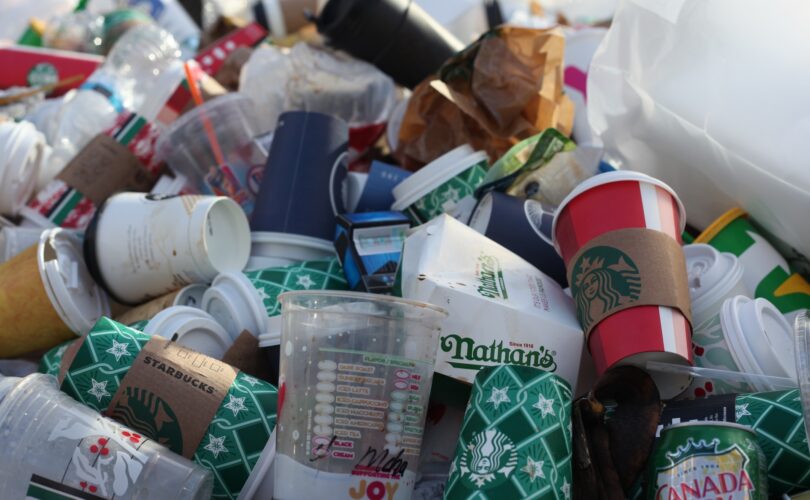
Welcome, health-conscious readers! Today, we’re delving into a topic that affects us all – the insidious impact of plastic packaging on both our health and the environment. In an era where convenience often trumps sustainability, it’s crucial to be aware of the hidden costs associated with the choices we make, especially when it comes to the food we consume.
The Plastic Predicament: Plastic packaging has become ubiquitous in our daily lives, and the food industry is a major contributor to this ever-growing problem. From colorful chip bags to the seemingly innocuous water bottles, plastic packaging has permeated every aspect of our food supply chain. However, this convenience comes at a hefty price.
- Health Hazards: Plastic packaging is not just harmful to the environment; it poses serious health risks to consumers as well. Many plastic containers contain harmful chemicals, such as bisphenol A (BPA) and phthalates, which can leach into our food and beverages. Studies have linked these chemicals to various health issues, including hormonal disruptions, reproductive problems, and even an increased risk of certain cancers.
- Environmental Emergency: The environmental impact of plastic packaging is staggering. Plastic pollution is choking our oceans, harming marine life, and infiltrating our food chain. The production of plastic packaging contributes to the depletion of natural resources, the emission of greenhouse gases, and the perpetuation of a throwaway culture that exacerbates climate change.
- Waste Woes: The longevity of plastic packaging is both a boon and a bane. While it ensures the durability of products during transportation and storage, it also means that these materials persist in our environment for centuries. Landfills are overflowing with plastic waste, and recycling alone cannot solve the problem. The sheer volume of single-use plastics demands a reevaluation of our consumption habits.
A Call to Action: So, what can we do to break free from the plastic stranglehold on our health and environment?
- Opt for Sustainable Alternatives: Choose products with eco-friendly packaging options, such as biodegradable materials, paper, or glass. Support brands that are committed to reducing their plastic footprint.
- Reduce, Reuse, Recycle: Embrace a zero-waste lifestyle by minimizing single-use plastics. Invest in reusable containers, water bottles, and grocery bags. Properly recycle plastic items whenever possible to curb the accumulation of waste.
- Spread Awareness: Knowledge is power. Share information about the environmental and health consequences of plastic packaging with your friends, family, and social networks. Encourage others to make informed choices that prioritize the well-being of both individuals and the planet.
Conclusion: As health enthusiasts, it is our responsibility to make mindful choices that benefit not only our well-being but also the health of our planet. By understanding the detrimental effects of plastic packaging on both fronts, we can collectively shift towards a more sustainable and healthier future. Let’s unwrap the plastic predicament and pave the way for a greener, cleaner world.