The Cornerstone of Successful Product Development
In the words of Steve Jobs, “You’ve got to start with the customer experience and work backwards to the technology.” This philosophy underscores the importance of integrating customer feedback into the product development process. Customer feedback is not just an afterthought, but a crucial component that drives the iterative improvement of products, ensuring they meet and exceed user expectations.
Gathering and Analyzing Customer Feedback
To effectively integrate customer feedback, it is essential to establish robust feedback collection mechanisms. This can include in-app feedback widgets, surveys, dedicated feedback forums, and email channels. These tools enable users to provide feedback effortlessly, allowing companies to capture a wide array of insights.
Analyzing customer feedback involves looking beyond surface-level comments to uncover underlying patterns and trends. Leveraging data analytics tools helps identify common themes, sentiments, and correlations within the feedback. This analysis is critical for gaining deeper insights into customer preferences and pain points, which in turn inform product development decisions.
Prioritizing Feedback for Action
Prioritization is a critical step in ensuring that product development efforts are directed towards initiatives that will have the most significant impact on customer satisfaction and retention. A prioritization framework, such as the RICE method, can help streamline this process by considering factors like impact on customer satisfaction, feasibility of implementation, and alignment with long-term business goals.
As Henry Ford once said, “If I had asked people what they wanted, they would have said faster horses.” This highlights the need to balance user feedback with broader business objectives and technical constraints. Effective prioritization ensures that the efforts invested in responding to feedback contribute meaningfully to the user experience and align with the overall product roadmap.
Iterative Design Process
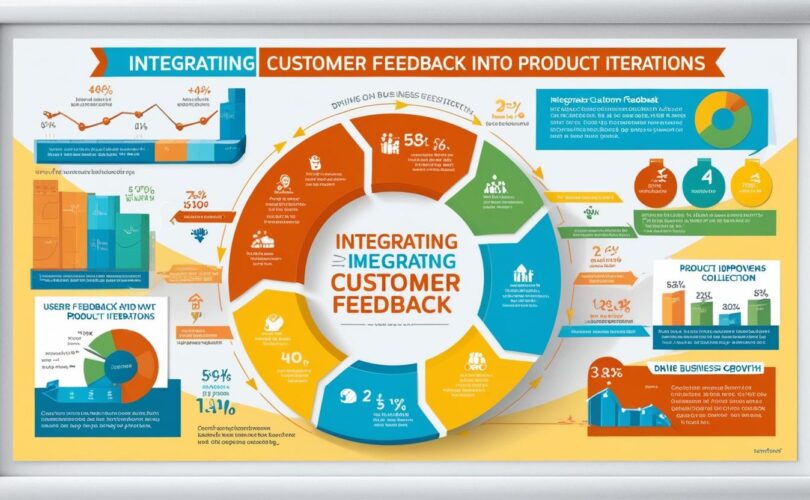
An iterative design process that integrates user feedback allows companies to continuously refine and improve their products. This approach involves testing different versions of the product, collecting feedback from a limited group of customers, and making incremental changes based on the insights gathered. Feature flags can be particularly useful in this context, enabling teams to gradually roll out new features to a subset of users and gather valuable feedback before a wider release.
Each iteration should aim to address the highest-priority issues identified through feedback analysis, bringing the product closer to meeting user needs and expectations. This continuous cycle of feedback and iteration not only improves the product but also fosters a sense of collaboration and co-creation with users.
Closing the Feedback Loop
Closing the feedback loop is essential for maintaining user trust and investment. After implementing changes based on user feedback, it is crucial to communicate those updates back to the user base and gather additional feedback on the new designs. This ensures that users feel valued and heard, leading to increased loyalty and satisfaction.
Best Practices and Cultural Shift
Establishing clear feedback channels and encouraging diverse perspectives are key best practices. Companies should make it easy for users to provide feedback and actively seek input from a diverse range of users to capture a comprehensive understanding of their needs and experiences.
Fostering a culture of continuous improvement is also vital. This involves embracing feedback as a driving force, encouraging cross-functional collaboration, and celebrating incremental improvements as steps towards achieving product excellence.
Promoting Continuous Improvement with Samunnati Ventures
At Samunnati Ventures, we specialize in helping businesses integrate customer feedback into their product iterations to drive continuous improvement and customer satisfaction. With over 20 years of experience across various industries and global markets, our team is equipped to guide you through the process of collecting, analyzing, and implementing customer feedback. Let us help you create products that truly resonate with your customers and set your business on the path to long-term success. Contact us today to learn more about how we can support your product development journey.