
Introduction
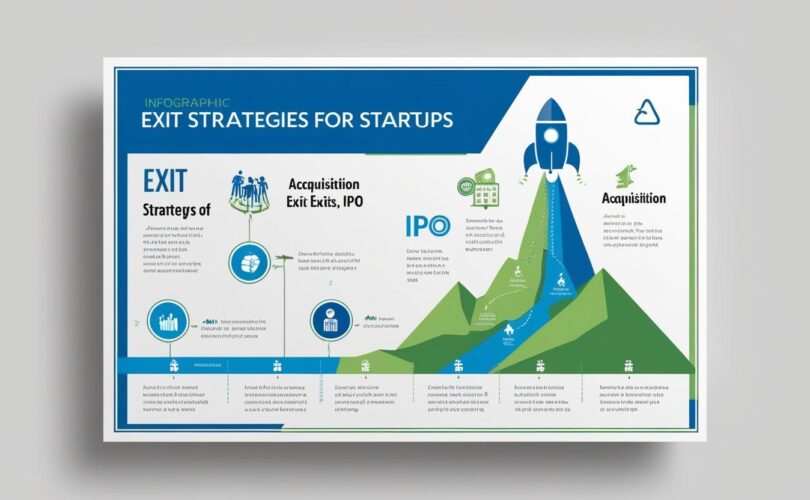
As a startup navigates the complexities of growth and expansion, it is crucial to consider the various exit strategies that can ensure the maximum return on investment and long-term success. Whether through acquisition, initial public offering (IPO), or other paths, each exit strategy has its own set of advantages and challenges. In this article, we will delve into the different exit strategies available to startups, highlighting their key aspects and the considerations that entrepreneurs should keep in mind.
Acquisition
Acquisition is one of the most common exit strategies for startups. It involves the sale of the company to another entity, often a larger corporation or a private equity firm. This route can be highly lucrative, especially if the startup has a unique product or service that aligns with the acquirer’s strategic goals. As Steve Jobs once said, “My model for business is The Beatles. They were four guys who kept each other’s negative tendencies in check. They balanced each other, and the total was greater than the sum of the parts.” In the context of acquisition, this synergy can lead to significant value creation for both parties involved.
When considering acquisition, startups should evaluate the cultural fit, financial terms, and the potential for integration. A thorough due diligence process is essential to ensure that the startup’s value is accurately assessed and that the deal is structured in a way that benefits all stakeholders.
Initial Public Offering (IPO)
An IPO is another prominent exit strategy, where the startup issues shares to the public for the first time. This route allows the company to raise capital from a wide range of investors and can provide a high level of visibility and credibility. However, it also comes with significant regulatory and compliance requirements.
As Warren Buffett noted, “Price is what you pay. Value is what you get.” When preparing for an IPO, startups must ensure that their financials are transparent, and their business model is robust enough to withstand public scrutiny. The process involves extensive financial planning, legal compliance, and marketing efforts to attract investors.
Other Paths to Success
Merger
A merger involves the combination of two or more companies to form a new entity. This can be a strategic move to expand market share, reduce costs, or gain access to new technologies. Startups considering a merger should focus on finding a partner with complementary strengths and a shared vision.
Joint Ventures
Joint ventures allow startups to collaborate with other companies on specific projects or ventures. This can be a flexible exit strategy that enables the startup to retain some level of control while leveraging the resources and expertise of the partner company.
Management Buyout (MBO)
An MBO involves the existing management team purchasing the company from its current owners. This can be a smooth transition as the management team is already familiar with the business operations.
Employee Stock Ownership Plan (ESOP)
An ESOP is a tax-qualified retirement plan that allows employees to own shares of the company. This can be an attractive exit strategy as it rewards employees for their hard work and can provide a smooth succession plan.
Key Considerations
When evaluating exit strategies, startups must consider several key factors:
– Financial Viability: The financial health of the startup is crucial. A thorough financial feasibility study and business plan can help in making informed decisions.
– Market Demand: Understanding the market demand and competitive landscape is essential. Conducting market research and competitive analyses can provide valuable insights.
– Operational Feasibility: The operational capabilities of the startup, including production plans, marketing strategies, and management structures, need to be robust.
– Regulatory Compliance: Ensuring compliance with all relevant regulations is vital, especially in the case of an IPO or acquisition.
Conclusion
Choosing the right exit strategy is a critical decision for startups, as it can significantly impact the return on investment and the long-term success of the business. Whether through acquisition, IPO, or other paths, each strategy requires careful planning, thorough analysis, and a deep understanding of the startup’s strengths and weaknesses.
At Samunnati Ventures, we specialize in providing comprehensive business consulting services, including feasibility studies, business planning, financial modelling, and exit strategy advisory. With over 20 years of experience working with entrepreneurs across various industries and geographies, we are well-positioned to help startups navigate their growth journey and achieve their desired exit outcomes. Contact us today to explore how we can support your startup’s success.
—
For more information on how Samunnati Ventures can assist you in developing a robust exit strategy, please visit our website or contact us directly. We are committed to helping your startup achieve its full potential.