Introduction
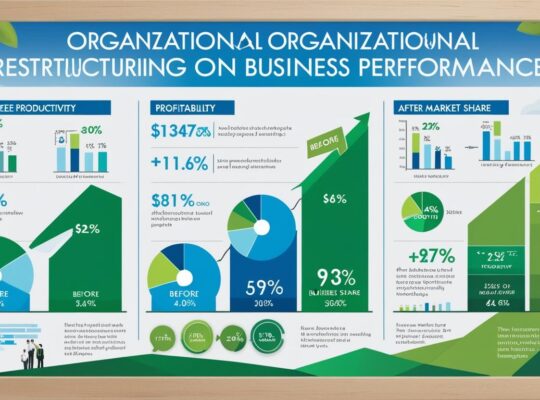
Organizational changes are inevitable in today’s dynamic business landscape. However, these changes can often lead to employee disengagement, which can have detrimental effects on productivity, morale, and the overall success of the organization. As a seasoned management consultant, I have witnessed firsthand the impact of organizational changes on employee engagement and have developed a comprehensive approach to mitigating these challenges.
The Importance of Employee Engagement
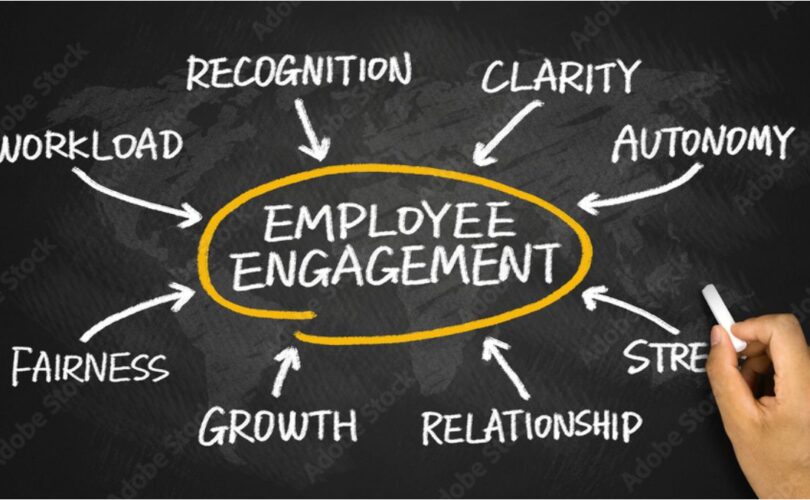
Engaged employees are more productive, innovative, and loyal. They are also more likely to be satisfied with their jobs and committed to the organization’s success. In contrast, disengaged employees are less productive, more likely to leave the organization, and can create a negative work environment.
“Employee engagement is the lifeblood of any organization. When employees are engaged, they are more productive, more innovative, and more likely to stay with the company.” – Dave Ulrich
Strategies for Enhancing Employee Engagement
During organizational changes, it is crucial to implement strategies to enhance employee engagement. Here are a few key recommendations:
- Communicate effectively: Communicate the reasons for the change, the expected outcomes, and the impact on employees. Use clear and consistent messaging through multiple channels.
- Involve employees: Seek input from employees throughout the change process. This helps them feel valued and invested in the outcome.
- Provide support: Offer training, coaching, and resources to help employees adapt to the changes. Ensure they have the necessary skills and knowledge.
- Recognize and reward: Acknowledge and celebrate employee contributions during the change process. This shows appreciation and reinforces positive behavior.
- Foster a positive work environment: Create a culture of trust, respect, and open communication. Encourage employee feedback and address concerns promptly.
The Role of Leadership
Leaders play a critical role in enhancing employee engagement during organizational changes. They must:
- Lead by example: Demonstrate a positive attitude and commitment to the change process.
- Communicate regularly: Keep employees informed and address their concerns openly and honestly.
- Empower employees: Delegate authority and decision-making responsibilities to empower employees and foster ownership.
- Create a supportive environment: Provide employees with the resources and support they need to succeed.
“The best leaders are those who inspire their followers to do more than they thought possible.” – Nelson Mandela
Conclusion
Enhancing employee engagement during organizational changes is essential for maintaining productivity, morale, and organizational success. By implementing these strategies and fostering a supportive and engaging work environment, organizations can mitigate the challenges associated with change and create a positive and thriving workplace.
If you are seeking guidance in managing organizational changes and enhancing employee engagement, Samunnati Ventures can provide expert consulting services tailored to your specific needs. Our team of experienced professionals will work with you to develop and implement a comprehensive strategy that aligns with your business objectives and fosters a highly engaged and productive workforce.
Contact us today to learn more about our services and how we can help you navigate organizational changes successfully.
“`