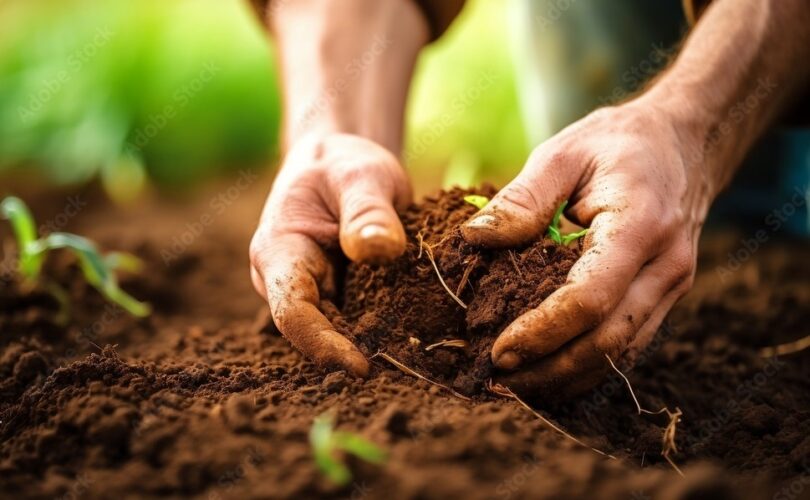
In a world where convenience often trumps consciousness, our food choices play a pivotal role in determining not just our well-being but also the health of our planet. As a health enthusiast deeply concerned about the degrading quality of food produce, I believe it’s time to shed light on a sustainable alternative to conventional agriculture – Organic Farming.
1. The Pitfalls of Conventional Agriculture:
Conventional farming practices, while maximizing yields, often come at a significant cost to our health and the environment. Pesticides, synthetic fertilizers, and genetically modified organisms have become the norm, leading to soil degradation, loss of biodiversity, and the presence of harmful residues in our food.
2. The Organic Advantage:
Organic farming, on the other hand, is a beacon of hope in this sea of agricultural challenges. By eschewing synthetic chemicals and genetically modified organisms, organic farming promotes the use of natural methods to nurture the soil, protect crops, and preserve biodiversity. This not only results in food that is free from harmful residues but also fosters healthier ecosystems.
3. Health Benefits of Organic Produce:
Studies have consistently shown that organic produce is richer in essential nutrients, antioxidants, and beneficial compounds compared to conventionally grown counterparts. By choosing organic, we not only reduce our exposure to harmful chemicals but also support our bodies with nutritionally dense food.
4. Environmental Impact:
The environmental benefits of organic farming are profound. The absence of synthetic chemicals prevents soil degradation and water contamination, while the emphasis on crop rotation and biodiversity conservation enhances the resilience of ecosystems. Choosing organic is a small yet impactful way to contribute to the health of our planet.
5. Supporting Local Farmers:
Opting for organic produce also means supporting local farmers who often employ sustainable and environmentally friendly practices. By fostering a connection between consumers and local farmers, we contribute to the growth of a more sustainable and resilient food system.
Conclusion:
In a world that is increasingly aware of the consequences of our actions, choosing organic is not just a personal health decision but a statement in favor of a sustainable future. By embracing organic farming, we are actively participating in the preservation of our health and the well-being of the planet.
So, let’s make a conscious choice – one that is not just about what goes on our plates but also about the impact our choices have on the world around us. Together, we can cultivate a healthier and more sustainable future through the simple act of choosing organic.