
Across industries, employers and educators face an urgent problem: a widening skills gap that threatens both business growth and opportunity for learners. While organisations push ahead into new digital frontiers and ever-evolving marketplaces, too many employees and graduates still lack the knowledge and abilities required for contemporary roles. This blog post explores how consulting in education offers a strategic approach to closing the skills gap — detailing what the mismatch involves, why it matters more than ever, and practical actions that businesses and education providers can take together to ensure relevance and long-term success.
The Skills Gap: What Is It?
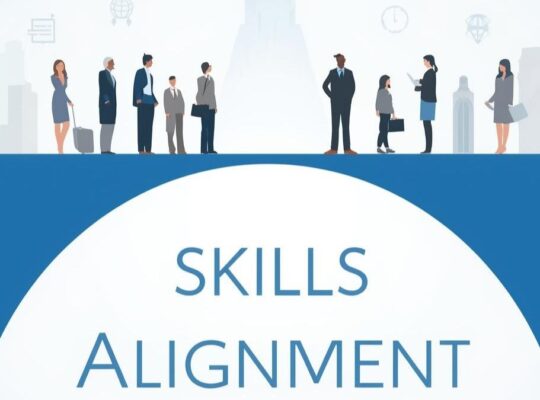
The skills gap is best defined as the disconnect between the skills that employers need to remain competitive and the capabilities of the workforce available. It appears when businesses or other organisations are unable to find candidates with the precise mix of technical knowledge, practical competencies, and soft skills their roles require. Contributing factors include rapid advances in technology, shifts in business models, and a tendency towards outdated education and training curricula that do not address modern workplace needs.
In education, a skills gap signifies a mismatch between what is taught — often with the best intentions — and the applied skills actually sought after in the job market. It isn’t only about advanced digital or technical proficiencies; skills such as critical thinking, communication, problem-solving, and adaptability are frequently in short supply. For teachers, school leaders, and university lecturers, recognising and contending with these mismatches has become a central challenge — one that consulting in education, with its external expertise and bird’s-eye perspective, is uniquely equipped to address.
Why is Bridging the Skills Gap Critical?
Failing to bridge the skills gap holds serious consequences for both businesses and the broader economy. Employers worldwide report increasing vacancies for roles demanding up-to-date skills, resulting in lost productivity, higher training costs, and limits on innovation. Individuals, meanwhile, encounter hurdles in career progression and may find themselves stuck in stagnant or precarious jobs. These realities have grown even starker in recent years as industries adjust in response to automation, artificial intelligence, and new patterns of working.
For example, the technology sector faces a chronic shortage of candidates skilled in fields such as artificial intelligence and cloud computing, while healthcare, logistics, and manufacturing all report similar problems in different specialisms. Continuous innovation in business practices means that ‘job-ready’ now refers not only to knowledge but also agility, creative problem-solving, and collaborative competence. Hence, bridging the skills gap is not merely an educational concern; it is a prerequisite for economic resilience, societal progress, and individual advancement.
How Can Consulting Bridge the Education Skills Gap?
Confronting the skills gap demands both strategic thinking and practical action. Consulting services in education partner with both educators and business leaders to forge pathways that align learning outcomes with changing employer expectations. Here’s how educators and employers can work together, often with the support of consultants, to make progress:
- Define the skills required: Collaborate to identify the most valuable competencies for emerging and existing roles, using up-to-date labour market insights and employer input.
- Audit current provision: Undertake an honest appraisal of current curricula, teaching methods, and assessment frameworks to pinpoint areas where learners are not meeting industry needs.
- Develop targeted programmes: Co-create courses, apprenticeships, and continuous professional development opportunities tailored to fill specific gaps, with regular review and adjustment based on outcomes.
- Engage in real-world learning: Embed internships, project-based work, mentoring, and direct business-school partnerships to give learners practical exposure and skills application.
- Foster a culture of lifelong learning: Encourage employers and educational institutions to support ongoing upskilling and reskilling, making professional development a shared responsibility rather than a one-off event.
Conclusion
The skills gap is a pressing problem, but not an insurmountable one. By embracing strategic partnerships, leveraging the expertise of education consultants, and designing forward-looking programmes, the divide between what is taught and what is needed can be narrowed. As technology and business needs accelerate, so too must our commitment to making learning more responsive and inclusive. A collaborative approach, built on evidence and shared ambition, is essential for developing a workforce ready for the opportunities and challenges ahead.
Key Takeaways
- The skills gap is a significant mismatch between job market requirements and current workforce abilities.
- Collaboration between educators and business leaders is vital to identify and address evolving skills needs.
- Consulting in education enables both strategic planning and immediate action to bridge critical gaps.
- Embedding real-world learning opportunities ensures education remains relevant and impactful.
- A culture of continuous professional development is essential for sustained competitiveness and personal growth.