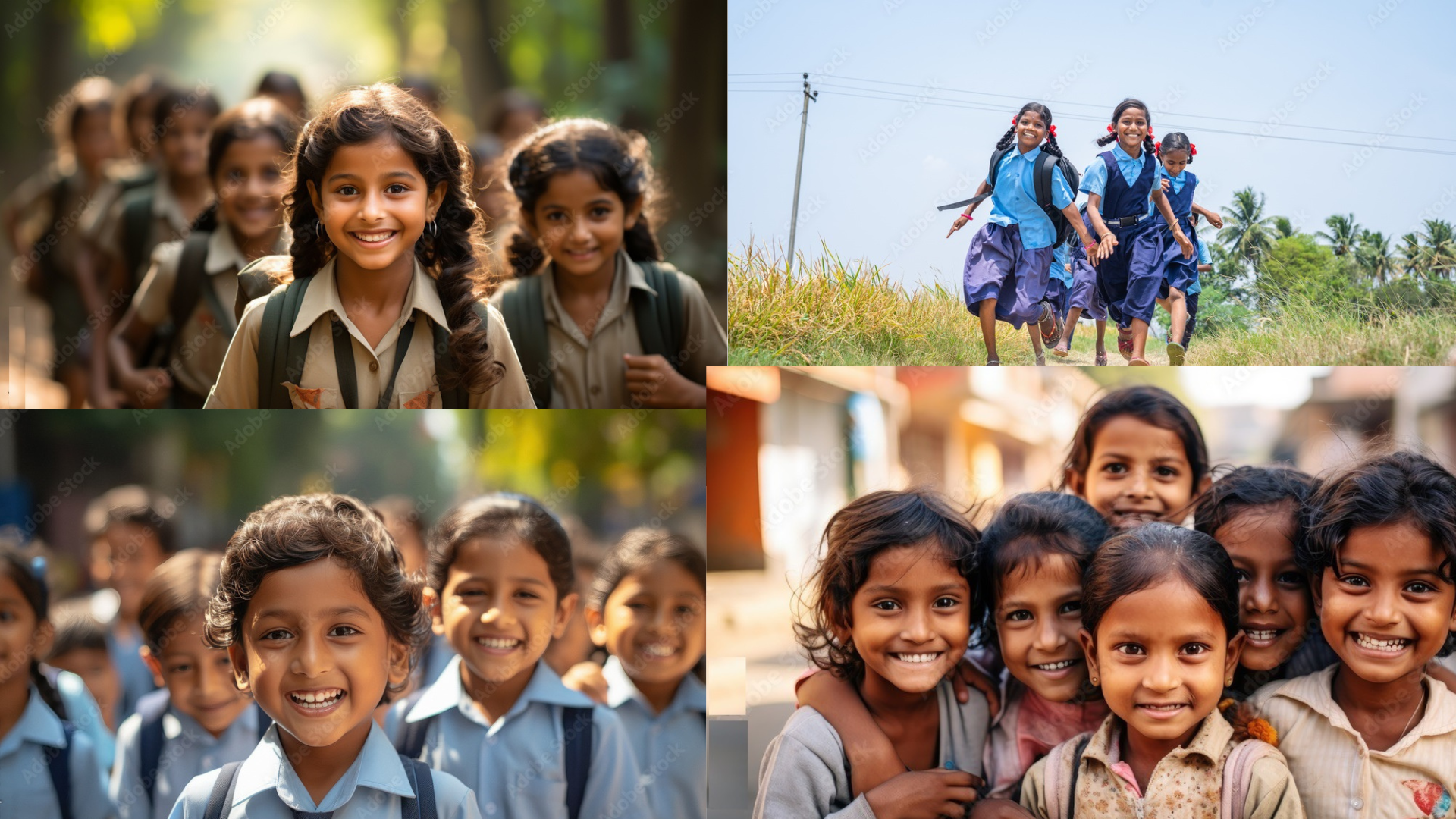

In the grand tapestry of global education, India’s story unfolds as a vibrant, intricate thread, woven with challenges and triumphs. As an educational evangelist, I believe in shedding light on the realities we face, steering conversations toward actionable solutions that can transform the landscape. Today, let’s embark on a journey of comparative analysis, examining India’s education infrastructure and access in contrast to other nations, and envision strategies for a brighter tomorrow.
A Global Canvas: India in Perspective
India’s demographic diversity is both its strength and a challenge. While our educational system has achieved commendable milestones, it faces stark contrasts when compared internationally. Take, for instance, education infrastructure. The digital divide looms large, with a significant portion of our population lacking access to basic facilities and technology.
In Scandinavian countries, education infrastructure is akin to a well-tended garden, fostering curiosity and innovation. Contrast this with India, where rural schools struggle with dilapidated buildings and limited resources. The gap is palpable, and it’s time we address it head-on.
Strategies for Transformation: A 10-Year Vision
“Education is the most powerful weapon which you can use to change the world.” – Nelson Mandela
To bridge the gulf in education infrastructure and access, a united effort is needed. Here are strategies that could metamorphose India’s educational landscape over the next decade:
- Digital Empowerment:
- Integrate technology into the education system, ensuring equitable access across urban and rural areas.
- Collaborate with private enterprises to establish digital literacy programs and provide necessary infrastructure.
- Revitalize Public Schools:
- Undertake a nationwide initiative to revamp and modernize public schools, ensuring a conducive environment for learning.
- Facilitate partnerships between public and private sectors to channel resources effectively.
- Empower Teachers:
- Prioritize teacher training programs, focusing on modern teaching methodologies and technology integration.
- Introduce incentives to attract and retain talented educators in remote areas.
- Community Engagement:
- Foster community involvement in education through awareness campaigns and participatory programs.
- Encourage local businesses and NGOs to contribute to educational initiatives.
- Inclusive Policies:
- Implement policies that cater to the diverse needs of students, including those with disabilities.
- Ensure the availability of special education resources and facilities.
What’s Your Vision for Indian Education?
In envisioning the future of Indian education, your voice matters. What strategies do you believe will be most effective in transforming our educational landscape? Share your thoughts, experiences, and aspirations for a brighter future in the comments section below. Let’s turn this article into a forum for ideas, a space where our collective vision shapes the narrative of Indian education.
As we navigate the path toward educational transformation, let’s remember that change is a collaborative effort. Together, we can redefine India’s education story and create a legacy that resonates globally.
Photo by Tim Mossholder on Unsplash