Navigating the uncertainties of modern business has become more challenging than ever, with shifting markets, technological disruption, and regulatory pressures exposing organisations to significant risk. Without a clear plan, a single unforeseen event can threaten operational stability, reputation, and long-term growth. This how-to guide demystifies risk management, providing a practical step-by-step approach to help managers and business owners protect their ventures and build resilience in an unpredictable world. By reading on, you will gain actionable strategies to confidently identify, assess, and control risks within your organisation.
Understanding Risk Management
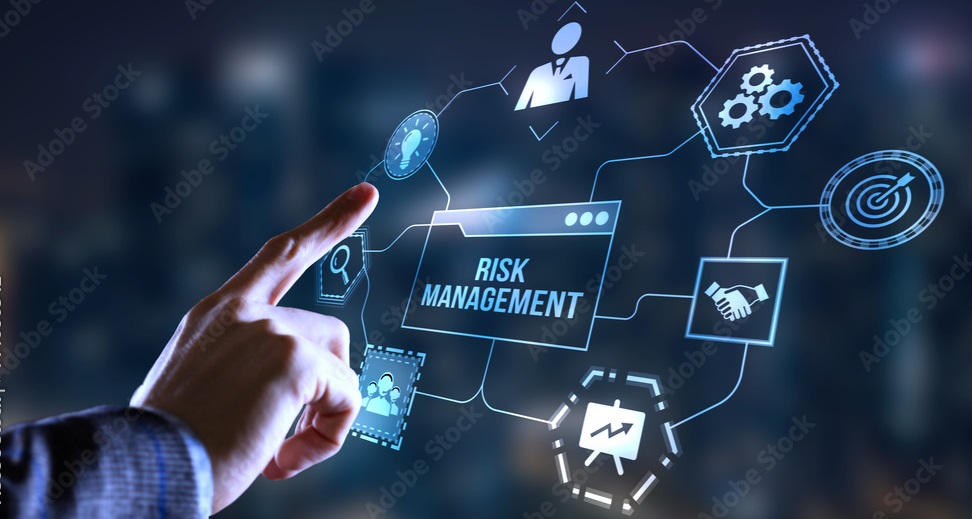
Risk management is a structured process organisations use to identify, assess, and address potential threats that could impact objectives, operations, or assets. At its core, it involves recognising the different kinds of risks—ranging from financial losses and cyber-attacks to supply chain disruptions and regulatory changes—and implementing controls to reduce their likelihood and impact. A mature risk management system enables organisations to proceed with greater confidence, knowing that potential obstacles have been considered and suitable mitigation is in place.
Frameworks such as COSO, ISO 31000, or the NIST Risk Management Framework provide robust foundations for designing these processes. Effective risk management is not simply about avoiding threats, but about proactively leveraging uncertainty to enable informed decision-making and continuous improvement. By consistently applying these principles, managers and business owners create an environment where risks are both monitored and harnessed for opportunity.
The Importance of Risk Management
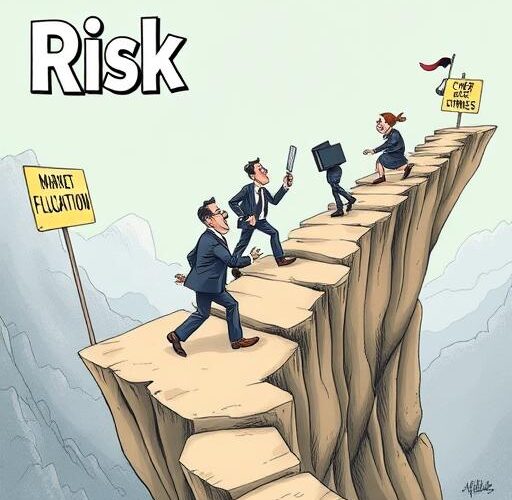
In today’s volatile business landscape, the ability to anticipate and manage risk is a defining characteristic of successful organisations. Unaddressed risks can lead to financial loss, reputational harm, legal penalties, or operational disruption. Conversely, a robust risk management approach offers numerous benefits—enhanced decision-making, improved compliance, and increased stakeholder trust. For example, during the supply chain disruptions witnessed globally in recent years, companies with established risk management processes responded more quickly and effectively, mitigating losses and maintaining service levels.
Regulatory scrutiny, cyber threats, and global economic shifts have amplified the need for dynamic and ongoing risk management. As new risks emerge—such as evolving data privacy laws or environmental challenges—the cost of inaction only increases. By making risk management integral to the culture and strategy of an organisation, business leaders not only shield their operations but also create a competitive edge in an ever-changing market.
Step-by-Step Process for Effective Risk Management
- Establish the Context: Define your organisation’s risk appetite, objectives, and the internal and external environment in which you operate. Clear context ensures risk management aligns with business strategy.
- Identify Risks: Systematically identify potential risks across all areas—financial, operational, legal, technological, and reputational. Engage stakeholders through workshops, interviews, or brainstorming sessions to gather diverse perspectives.
- Assess and Prioritise Risks: Evaluate identified risks according to likelihood and potential impact. Common tools include risk matrices, scoring systems, or heat maps, helping you concentrate resources on the most significant threats.
- Develop and Implement Controls: Decide on suitable responses for each key risk—accept, mitigate, transfer, or avoid. Implement controls, such as insurance policies, contingency plans, staff training, or cybersecurity protocols, tailored to each scenario.
- Monitor and Review: Risk management is not a one-off exercise. Continuously monitor risks and control effectiveness, adapting your approach as new threats or opportunities arise. Regular reviews and updates keep your organisation resilient in the face of change.
- Communicate and Report: Maintain open communication channels with stakeholders. Clear reporting ensures accountability, facilitates informed decision-making, and fosters a risk-aware culture throughout the organisation.
Conclusion
Risk management is an essential discipline for managers and business owners seeking stability and sustainable success. By systematically identifying, assessing, and addressing risks, organisations can reduce uncertainty and make better-informed decisions. Embedding a risk management mindset not only protects against losses but enables businesses to capitalise on new opportunities as they arise. The journey to robust risk management starts with a single, structured step—and each subsequent action builds a stronger, more adaptable organisation.
Key Takeaways
- Risk management provides a systematic approach to handle uncertainties in business.
- Proactive risk assessment supports sound decision-making and regulatory compliance.
- Frameworks like COSO and ISO 31000 can be tailored for any size or industry.
- Risk management is a dynamic, continuous process—not a one-time task.
- Clear communication and regular reviews foster a resilient organisational culture.