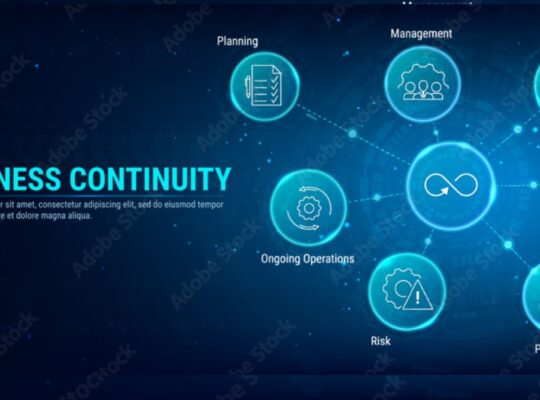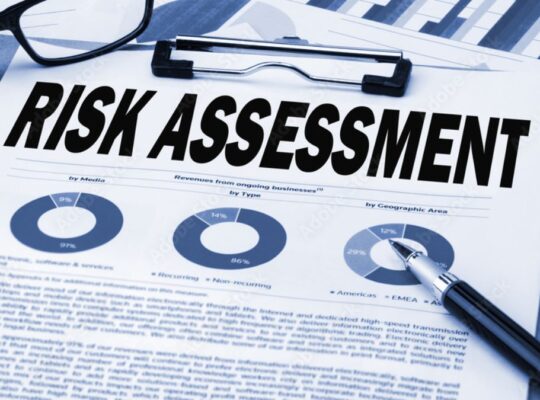

In today’s business climate, unpredictability is the only constant. From economic shifts to technological disruptions, the ability to navigate hidden threats is what separates resilient organizations from those that falter.
Managing risk isn’t about eliminating every possible danger—that’s impossible. It’s about strategic foresight. It’s shifting from a reactive “firefighting” mode to a proactive stance that protects your capital, reputation, and future.
Why Risk Management is Non-Negotiable in 2026
The global landscape has changed. Supply chain vulnerabilities, cybersecurity threats, and geopolitical volatility have made “playing it safe” a risky strategy in itself. A solid framework provides:
-
Better Decision-Making: Clearer insights into potential outcomes.
-
Operational Resilience: The agility to pivot during a crisis.
-
Resource Optimization: Focusing energy on the threats that actually matter.
-
Stakeholder Trust: Demonstrating stability to investors and clients.
A 6-Step Framework for Resilience
To build a more secure enterprise, follow this methodical pathway:
-
Identify: List all potential threats—operational, financial, strategic, and reputational. Use historical data and team brainstorming to leave no stone unturned.
-
Analyze: Assess each risk based on Likelihood vs. Impact. How often could it happen, and how much would it hurt?
-
Evaluate: Prioritize. Which risks are critical “must-address” items, and which fall within your organization’s risk tolerance?
-
Treat: Choose your strategy:
-
Avoid: Stop the activity causing the risk.
-
Reduce: Implement safeguards and controls.
-
Transfer: Use insurance or outsourcing.
-
Accept: Monitor minor risks with low impact.
-
-
Monitor & Review: The landscape evolves daily. Establish metrics to track changes and adapt your strategy as new information emerges.
-
Communicate: Foster a culture of risk awareness. Ensure everyone from the front line to the Board knows the plan.
The Bottom Line
Risk management is not just a defensive measure; it is a fundamental pillar of growth. By transforming potential crises into manageable challenges, you safeguard your stability and gain a competitive edge.
Start embedding these practices today to build a more secure and prosperous tomorrow.
📍 Key Takeaways:
✅ Risk management is an ongoing, systematic process—not a one-time task.
✅ Prioritization is key to effective resource allocation.
✅ Proactivity drives business continuity and strategic confidence.
✅ Open communication is the backbone of a dynamic risk framework.