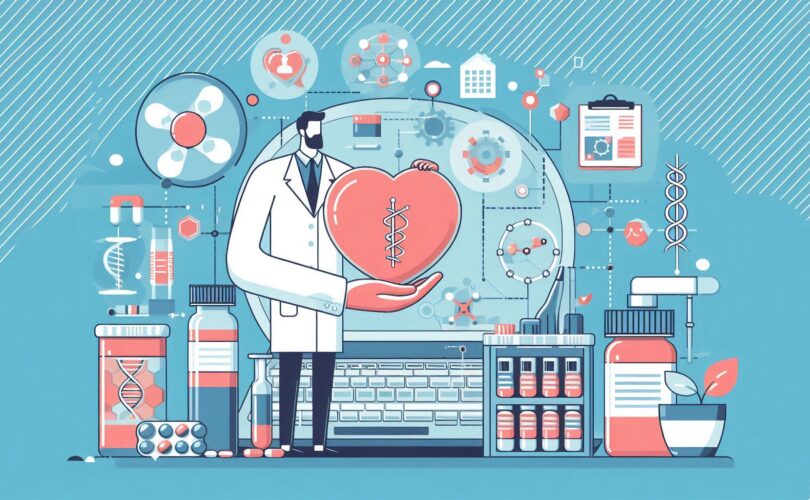
The pharmaceutical industry is constantly evolving, driven by advancements in science and technology. From developing new treatments to improving manufacturing processes, innovations are transforming the way medicines are discovered, produced, and delivered. This blog explores the latest innovations in the pharmaceutical industry, highlighting their impact and potential for future growth.
Advancements in Drug Discovery
One of the most significant areas of innovation in the pharmaceutical industry is drug discovery. The development of new treatments for diseases such as cancer, Alzheimer’s, and rare genetic disorders requires a deep understanding of the underlying biology and the ability to identify and validate potential therapeutic targets. Advances in genomics, proteomics, and bioinformatics have enabled researchers to identify new biomarkers and develop more targeted therapies.
For instance, the use of artificial intelligence (AI) and machine learning (ML) algorithms has significantly accelerated the process of identifying potential drug candidates. These tools can analyze vast amounts of data, including genomic and proteomic data, to predict the efficacy and safety of new compounds. This has led to the development of more personalized medicines tailored to individual patients’ genetic profiles.
Manufacturing Innovations
Another critical area of innovation is in manufacturing processes. The pharmaceutical industry is moving towards more efficient and cost-effective production methods to meet the growing demand for medicines. This includes the adoption of continuous manufacturing technologies, which allow for real-time monitoring and control of the production process, reducing waste and improving product quality.
Additionally, the use of single-use technologies (SUTs) is becoming increasingly popular. SUTs eliminate the need for cleaning and sterilization, reducing the risk of contamination and improving overall efficiency. These innovations are particularly important for the production of biologics, which require stringent quality control measures.
“The greatest glory in living lies not in never falling, but in rising every time we fall.” – Nelson Mandela
Digital Health and Telemedicine
The pharmaceutical industry is also embracing digital health and telemedicine technologies. These innovations enable patients to access healthcare services remotely, improving patient engagement and adherence to treatment regimens. Digital health platforms can also provide real-time monitoring and data analytics, enabling healthcare providers to better manage chronic diseases and improve patient outcomes.
For example, the use of wearable devices and mobile apps can help patients track their health metrics, such as blood pressure and glucose levels, and share this data with their healthcare providers. This not only enhances patient care but also reduces the burden on healthcare systems.
Supply Chain and Logistics Innovations
The pharmaceutical industry is also focusing on supply chain and logistics innovations to ensure the timely and efficient delivery of medicines. The use of blockchain technology, for instance, can enhance the security and transparency of the supply chain, reducing the risk of counterfeiting and improving patient safety.
“The best way to predict your future is to create it.” – Abraham Lincoln
Furthermore, the adoption of advanced analytics and predictive modelling can help pharmaceutical companies optimize their supply chain operations, reducing costs and improving delivery times. This is particularly important for the distribution of temperature-sensitive products, such as vaccines and biologics.
Regulatory and Compliance Innovations
The pharmaceutical industry is also seeing significant innovations in regulatory and compliance frameworks. The use of AI and ML algorithms can help streamline regulatory submissions and improve compliance with regulatory requirements. This includes the development of more efficient and effective quality control systems, ensuring that medicines meet the highest standards of quality and safety.
For instance, the implementation of electronic submission systems (e.g., eCTD) has reduced the time and cost associated with regulatory submissions, enabling pharmaceutical companies to bring new medicines to market faster.
Conclusion
The pharmaceutical industry is at the forefront of innovation, driven by advancements in science, technology, and regulatory frameworks. From drug discovery to manufacturing, digital health, supply chain, and regulatory compliance, the industry is transforming the way medicines are developed, produced, and delivered. As the industry continues to evolve, it is essential to stay informed about the latest innovations and their potential impact on patient care and public health.
Final Note
If you are looking for a business consulting company that can help you navigate the complexities of the pharmaceutical industry, look no further than Samunnati Ventures. With over 20 years of experience across various industries and geographies, we offer comprehensive solutions for feasibility studies, business plans, financial modeling, start-up businesses, equity and debt funding, corporate strategy, financial planning, M&A, technology integrations, due diligence, transfer pricing & taxation, international business, and regulatory compliances. Contact us today to learn more about how we can support your business goals.
Samunnati Ventures is dedicated to helping entrepreneurs and businesses across various industries achieve their full potential. With our expertise and global reach, we can assist you in leveraging the latest innovations in the pharmaceutical industry to drive growth and success.
Get in touch with us to explore how we can help you create a brighter future for your business.