
Continuing from a Fascinating article on Linkedin
As a management consultant with 20+ years of experience across diverse industries (including those in this very discussion!), I’ve witnessed first-hand the talent pull of metro cities. However, the landscape is undoubtedly shifting.
Metro Mania: A Double-Edged Sword
There’s no denying the initial allure of metros. They offer a confluence of:
- Top-Tier Opportunities: From established corporates to burgeoning startups, metros boast a wider range of career paths and access to industry leaders.
- Exposure and Networking: Metros are melting pots of talent, fostering valuable professional connections and knowledge exchange.
- Lifestyle Perks: Cultural vibrancy, diverse entertainment options, and a fast-paced environment hold significant appeal, especially for younger professionals.
But let’s not forget the flip side:
- Soaring Costs: The high cost of living in metros – housing, transportation, daily expenses – can significantly erode disposable income.
- Work-Life Balance Woes: The relentless pace and long commutes can take a toll on well-being, impacting overall quality of life.
- Saturation Concerns: As competition intensifies, job markets in metros might become saturated for certain profiles.
The Rise of Tier 1 & 2 Cities: A Compelling Alternative
Here’s where the trend gets interesting. Tier 1 and 2 cities are emerging as strong contenders:
- Cost Advantage: They offer a significantly lower cost of living, improving financial well-being and potentially allowing professionals to save for future goals.
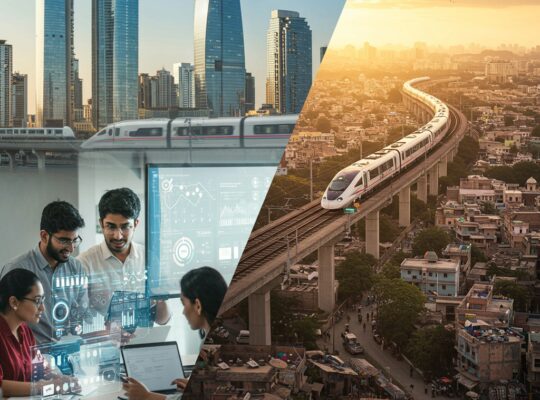
- Improved Infrastructure: Many tier 1 & 2 cities are witnessing significant infrastructure development, enhancing connectivity and overall living standards.
- Growing Business Ecosystems: A rise in startups, MNC expansions, and local businesses is creating a dynamic job market in these cities.
This shift presents a win-win situation for both professionals and businesses:
- Talent Acquisition: Companies can tap into a broader pool of qualified professionals seeking a healthy work-life balance.
- Operational Efficiency: Lower operational costs in tier 1 & 2 cities can translate into competitive advantages.
The Future of Work: A Hybrid Approach
The future of work likely leans towards a hybrid model. Professionals may seek the initial career boost of a metro followed by a shift to a tier 1 or 2 city for a more sustainable and fulfilling life.
My Kolkata Connection
Speaking of which, my own journey resonates with this! Growing up in Kolkata instilled invaluable values, while Mumbai provided the launchpad for my career. This diverse experience has enriched my perspective as a consultant.
The takeaway? India’s talent pool is on the move, seeking not just career growth but holistic well-being. Metro cities will continue to play a role, but tier 1 & 2 cities are poised to become the next big hubs for attracting and retaining top talent.