


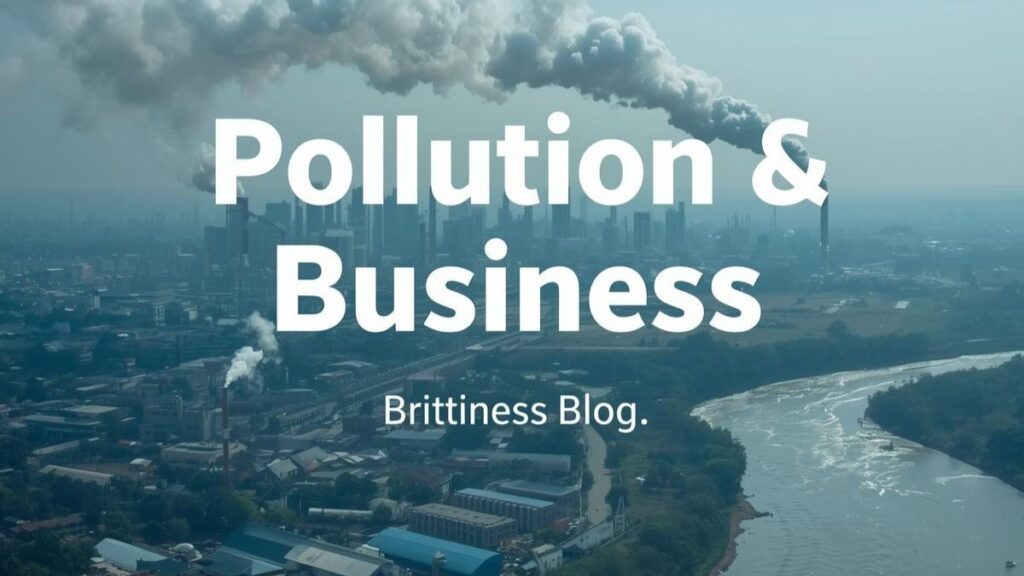
The clock is ticking. Across India, pollution has evolved from an environmental concern into a significant economic and operational risk for every business. From choking city smog that cripples logistics to toxic waterways and degraded land impacting supply chains, the strain is immense. This isn’t just about compliance anymore; it’s about safeguarding your bottom line, securing workforce well-being, and ensuring future growth. Here’s a strategic look at what’s at stake and the actionable steps leaders must take now.
The Triple Threat: Air, Water, and Land Impacting Business
India faces a complex, interwoven pollution challenge:
- Air Pollution (The Productivity Killer): Consistently ranking among the world’s worst, high concentrations of PM2.5 lead to massive healthcare costs and plummeting workforce productivity. For businesses in major cities, this translates directly to increased absenteeism and reduced efficiency during critical periods.
- Water Pollution (The Supply Chain Risk): Untreated sewage and industrial discharge are rendering vast water bodies unusable. For sectors reliant on water, this creates operational instability, higher treatment costs, and regulatory scrutiny.
- Land Degradation (The Food Security Threat): Driven by rapid urbanization and industrial waste, land pollution affects agricultural yields, posing a long-term risk to food security and raw material stability.
The takeaway: Environmental degradation is no longer a distant threat—it’s a daily reality directly impacting your business continuity and operational expenditure.
📈 Why Environmental Stewardship is the Ultimate Business Strategy
The urgency is driven by economics, reputation, and regulation:
- The Human and Financial Cost: Air pollution contributes to over 1.5 million premature deaths annually. This human cost translates into a burdened health infrastructure and severe long-term economic drag.
- ESG Scrutiny is Mounting: Global investors and regulators are intensely focused on ESG metrics. Indian enterprises that fail to demonstrate genuine environmental responsibility face higher capital costs and exclusion from major investment pools.
- Reputation and Regulatory Risk: High-profile incidents (like the recurring Delhi smog) are driving swift, public policy responses. Brands are tied more closely than ever to sustainable practice; a single pollution incident can cause irreversible reputational damage.
🔥 Action is no longer optional. Leaders must treat environmental stewardship as a core strategic imperative, not a mere compliance checkbox.
🛠️ The Business Leader’s Playbook: Six Steps to Sustainable Impact
Forward-thinking leaders are turning this crisis into a competitive advantage. Here are practical, actionable strategies:
- Supply Chain Decarbonization: Conduct a full audit to pinpoint pollution hotspots. Substitute high-polluting inputs and partners with cleaner, traceable alternatives.
- Transition to Clean Energy: Aggressively shift fleet vehicles and energy procurement towards electric, renewable, or low-emission sources. This instantly cuts your air quality footprint.
- Embrace Circularity: Invest in robust waste management and recycling. Design products for longevity and minimal waste, moving away from single-use packaging.
- Strategic Collaboration: Go beyond your fence line. Partner with government bodies, NGOs, and local communities on abatement projects, such as industrial emission controls and urban greening initiatives.
- Empower Your Workforce: Launch transparent awareness programs. Ensure employees understand pollution risks and are empowered to participate in mitigation efforts, fostering a culture of sustainability.
- Transparent Target Setting: Set clear, measurable environmental targets (e.g., specific water usage reduction, carbon neutrality goals). Publicly disclose progress in annual reports to build trust with stakeholders.
The Next Step: Decisive, Collective Action
India’s pollution crisis requires decisive, strategic leadership. Incremental changes are insufficient. By embedding sustainability deep into your core operations and actively building cross-sector coalitions, you can not only safeguard your enterprise but also play a transformative role in rewriting India’s environmental future.
The choice is clear: Lead the change, or pay the price.
Key Takeaways for Business Leaders:
- Pollution across air, water, and land is a critical threat to productivity and future growth.
- Proactively managing environmental impact is essential to mitigating operational and reputational risks.
- Investing in clean energy, waste reduction, and supply chain transparency yields immediate and long-term competitive benefits.
- Environmental stewardship is no longer a CSR activity—it is a core strategic imperative.