Why Your Global Strategy Needs a Cultural Playbook Now
Entering new international markets is exciting, but let’s be real: most promising ventures falter not from flawed strategy, but from cultural blind spots.
In today’s hyper-connected economy, where supply chains stretch across continents, the potential for cultural missteps is amplified. A failure to appreciate local customs, communication styles, and business etiquette leads to more than just awkward meetings—it causes:
-
Costly Misunderstandings: Stalled negotiations and failed contracts.
-
Reputational Damage: Losing trust with critical international partners.
-
Failed Market Entry: Products and services that don’t resonate with local, culturally-rooted consumer preferences.
The stakes are too high to treat culture as an afterthought. Cultural intelligence is your competitive advantage, fostering trust, building resilient teams, and ensuring profitability.
🧭 Beyond Translation: The Depth of Cultural Difference
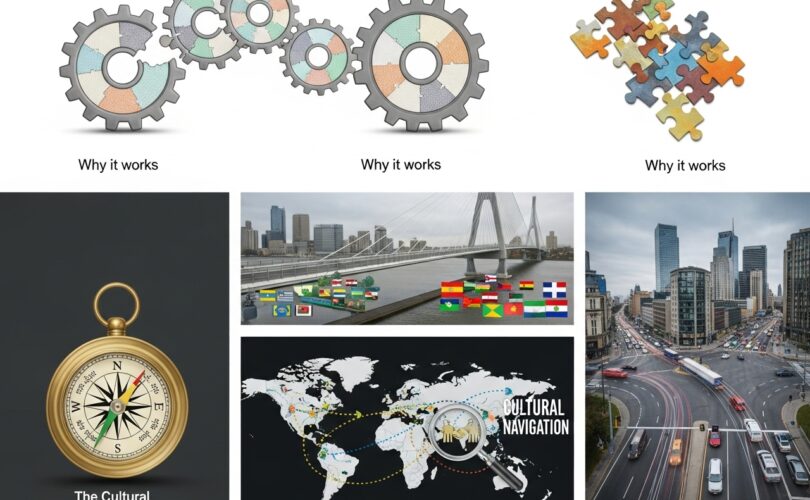
Cultural navigation goes far deeper than simply translating a brochure. It involves recognizing the profound impact of varying norms on every commercial interaction.
Consider these critical facets:
-
Communication Style: Does the culture favour directness (saying exactly what you mean) or indirectness (valuing subtlety and reading between the lines)? Mistaking one for the other can turn a partnership proposal into an aggressive demand.
-
Time & Schedule: Is the culture monochronic (focusing on one task, strict deadlines) or polychronic (multitasking, relationships taking priority over schedules)?
-
Hierarchy & Decision Making: Do decisions flow from a single top leader (high-power distance) or require consensus across a broad team (low-power distance)?
-
Trust Building: Is a contract based on legal documentation or a personal relationship established over time?
The takeaway: Concepts of trust, loyalty, and even the definition of a contract vary significantly across borders. A flexible, informed approach isn’t optional—it’s mandatory.
💡 5 Actionable Steps to Bridge the Cultural Divide
Successfully navigating international markets requires a proactive, continuous commitment to learning. Here are five practical steps business leaders and exporters can implement today:
-
Invest in Cultural Training (Beyond Basics): Your team needs more than just language tips. Training must cover non-verbal communication, negotiation tactics, and specific business etiquette for target markets.
-
Cultivate Local Expertise: Hire local talent or partner with in-country consultants. This provides invaluable, authentic insights and helps you navigate complex social and business landscapes without appearing tone-deaf.
-
Prioritize Relationship Building: In many key global markets, personal rapport and trust are a prerequisite for any successful business transaction. Allocate time for social interactions and demonstrate genuine interest in your counterparts’ success.
-
Practice Active Listening & Observation: Pay close attention to subtle cues, social dynamics, and communication patterns. Be prepared to pause, reflect, and adjust your approach based on what you perceive.
-
Embrace Flexibility & Adaptability: Your established way of doing business is not the only way. Be open to modifying your strategies, communication methods, and even product features to align with local expectations and cultural fit.
The ROI of Empathy
In an increasingly globalized marketplace, Cultural Intelligence stands as a paramount driver of success. Moving beyond superficial understanding to cultivate deep cultural empathy and strategic adaptability is no longer a luxury—it’s the foundation for sustained growth.
Investing in cultural understanding is an investment in the future of your international enterprise. It paves the way for deeper partnerships, meaningful innovation, and resilience on the world stage.
#GlobalBusiness #CrossCulturalManagement #InternationalTrade #Leadership #CulturalIntelligence
What’s your biggest cultural challenge when entering a new market? Share your experience in the comments below!